
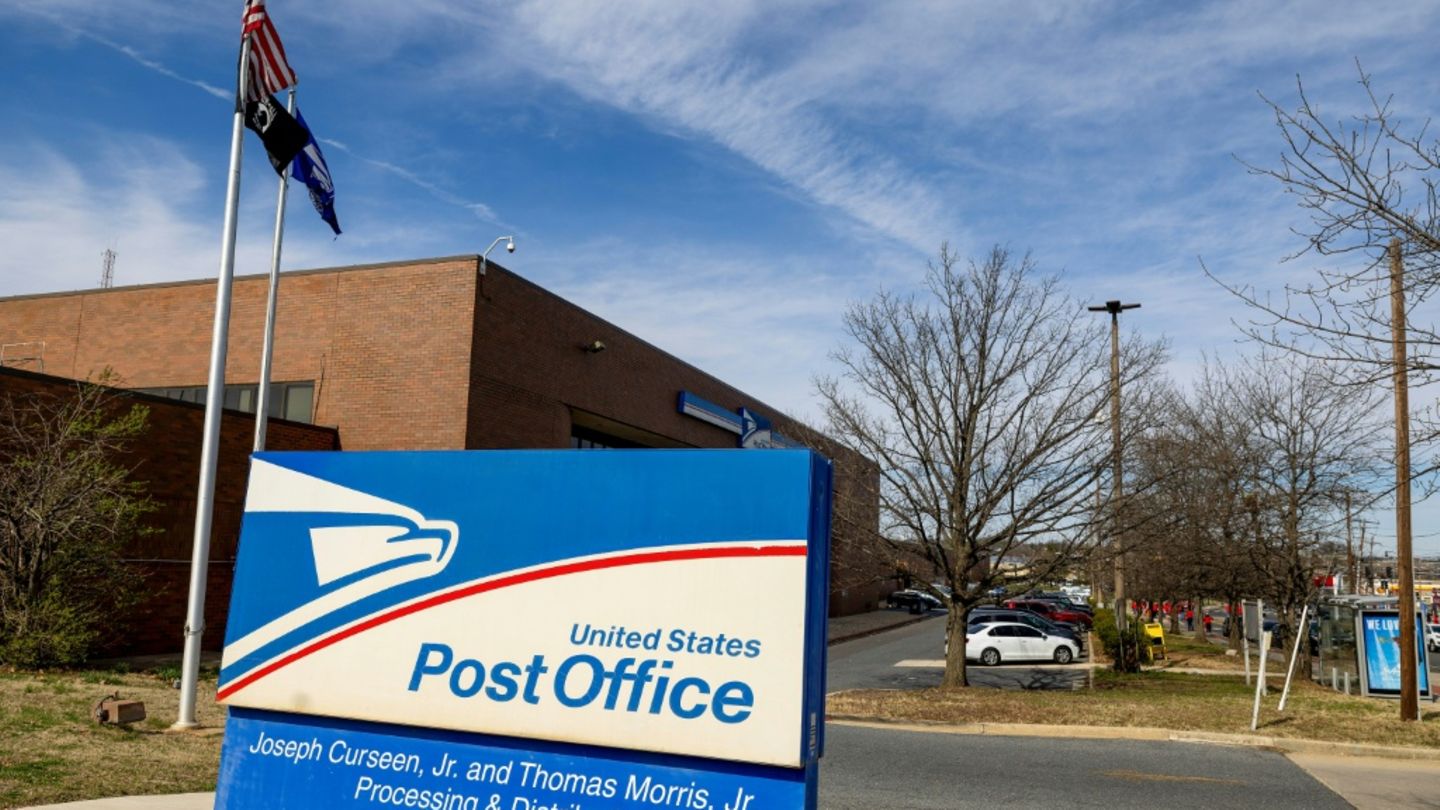
Previously, small packages with low goods were excluded from customs premiums. At the end of July, however, US President Donald Trump published a decree that abolished the exemption on August 29. It is about closing a “catastrophic loophole that was used, among other things, to avoid tariffs and send synthetic opioids and other dangerous products,” said the White House at the time.
Trump’s trade advisor Peter Navarro emphasized that the step will save thousands of human life because he would reduce the inflow of “narcotics and dangerous and forbidden products” to the USA. According to the US-inch, 98 percent of the intercepted drugs, 97 percent of the fake were and 70 percent of the health-hazardous products were packed in such packages last year. Their number had increased from 134 million in 2015 to 1.36 billion last year.
With the elimination of the customs exemption for small packages, the same surcharges are now raised as for other imports – for example, 15 percent for shipments from the EU and up to 50 percent on packages from India or Brazil. In some cases, however, a specific inch between $ 80 and $ 200 per article is due.
However, the new rules caused confusion in many countries: The UN special organization Weltpostverein (WPV) declared on Tuesday that postal service provider in 25 of their member countries would no longer accept parcel shipments with Ziel USA. Services in countries such as Australia, Japan, France, Italy and India announced that most of the packages intended for the USA no longer accepted.
There are also restrictions in Germany: “With the end of August 22, Deutsche Post and DHL package can initially accept and promote parcels and goods post internationally from business customers to the United States,” said DHL last week. The reason is new regulations of the US authorities, in which “essential questions (…) are still unclear”.
There are no private packages and parcels that are declared as gifts and have a value of up to $ 100 (around 86 euros). However, the company warns that these programs are “controlled even more than before to prevent abuse of private gift programs for sending commercial goods”. Documents could continue to be sent to the USA, DHL also said. The shipping of goods with DHL Express is also still possible.
Foreign postal services would have to organize better, “when it comes to monitoring and controlling the use of international post programs for smuggling and customs evasion,” said Navarro on Thursday. US officials state that only five percent of the customs -frequently small packages have so far been delivered via the post network – most of the USA.
Meanwhile, smaller companies are worried about their business. The British entrepreneur Liz Nieburg told the AFP news agency that she initially set the shipping of its company Socksfox to US customers, while the British Post Royal Mail is working on a system for the new customs rules. If the new tariffs remain, it must increase its prices.
