
For decades, American football, baseball, basketball and ice hockey have been recognized as the big four sports disciplines in the United States. The most popular and those that receive the most media exposure day after day.
However, although these four disciplines are also among the most practiced in the North American nation, soccer, boosted by the arrival of Lionel Messi to the MLS, tennis and paddle tennis have gained considerable ground in the conversation.
Andrés Contreras, a former World Cup player, is one of the great people responsible for this latest sporting discipline continuing to gain followers and practitioners in the land of Babe Ruth, Tom Brady and Michael Jordan.
“I think that paddle tennis brings together many characteristics that people are looking for today,” said the Chilean in a conversation with DIARIO LAS AMÉRICAS about the emergence of his discipline. “It is a very social, dynamic and accessible sport. Someone can start playing with no prior experience and enjoy it from day one, but at the same time it has enormous technical and tactical depth for those who want to compete,” he added.
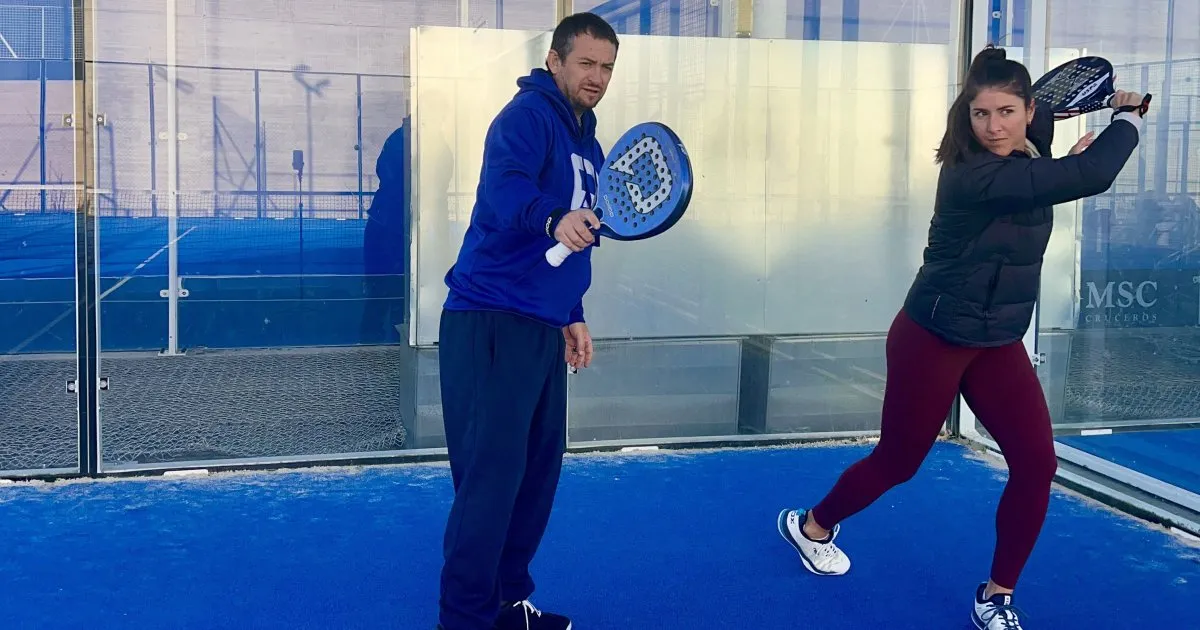
The current director of Pulse Kids Pádel School, located in North Miami, has played an essential role in the development of several players who today represent the United States in the most important tournaments.
“It has been a very rewarding experience,” he said about the school located in the Pulse Pádel Hub Club. “One of the aspects I enjoy most about my job is accompanying the growth of children from their first classes to seeing them begin to compete.”
Among the most notable athletes who bear the Contreras seal are Brittany Dubins, Juan Manuel “Guga” Vázquez, Clementina Ríobueno and Pedro Alonso Martínez.
“I always try to make them understand that talent, by itself, is not enough. What really makes the difference is discipline, the ability to constantly learn and the willingness to adapt,” Contreras explained about the greatest lesson he tries to leave in his students.
His excellent work in the United States has also led other countries, such as the Dominican Republic, to take note and request his help so as not to be left behind in this global paddle tennis revolution.
“I have seen how paddle tennis has grown in different countries. I was already in Santo Domingo at the end of last year to teach a clinic on high-performance training methodologies,” he said. “I think the players from the Dominican Republic have enormous potential to continue developing,” he added.
With their contribution and the emergence of more and more figures in the discipline year after year, padel not only seems to be here to stay, but could become a serious popularity threat for disciplines with a much greater tradition.
“I have seen how paddle tennis has gone from being a sport known by very few people to becoming a discipline that today fills stadiums, attracts investment, organizes international professional circuits and reaches networks like ESPN. That makes me think that its growth is still far from reaching its ceiling,” he said.
