
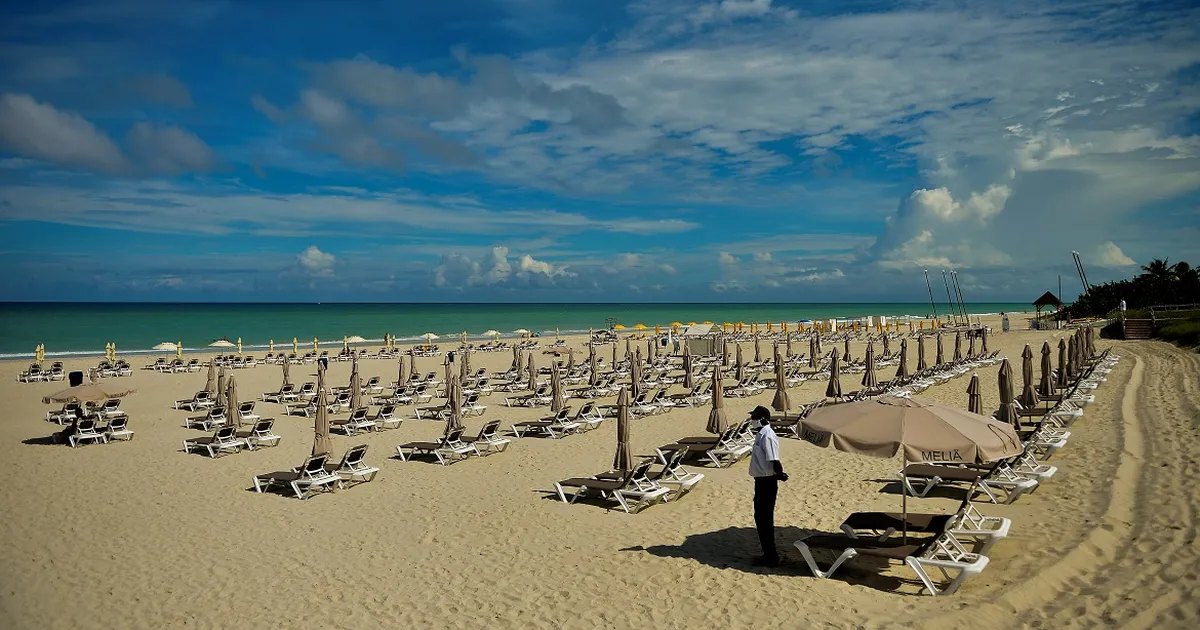
HAVANA.- The tourism sector in Cuba faces a historic collapse after registering the loss of 62.8% of its international visitors between January and July 2026.
According to data published by the state National Office of Statistics and Information (ONEI), the country received only 419,863 foreign vacationers during that period, which represents a resounding drop of 708,968 clients compared to the data reported in the same period of 2025, reports the Diario de Cuba web portal.
The collapse generally affects the main issuing markets of the island. Canada, historically the largest source of vacationers for the local tourism industry, barely added 127,645 travelers, a figure that is equivalent to 26.7% of the volume reached the previous year.
Similarly, tourism from Russia collapsed to 29.6%, while the arrival of Cubans residing abroad and visitors from the United States fell to 63% and 48.3%, respectively.
Mass closure of hotels and widespread shortages
The contraction of the sector reflects the structural deterioration of the island economy and the exodus of foreign capital in a context of profound precariousness:
- Flight of international chains: the prime minister of the regime, Manuel Marrero, confirmed before the National Assembly that 73% of the hotel facilities on the island remain closed after the departure of seven international chains. This defection involved the loss of 46% of rooms under foreign management and left some 25,000 workers on “availability.”
- Fuel crisis and operational collapse: The acute fuel shortage, which led the regime to suspend aircraft refueling in Havana, caused the cancellation of routes by numerous international airlines starting in February, further isolating the destination.
- Inability of the destination in the face of shortages: factors such as constant blackouts of more than 20 hours a day, the lack of food supplies, medicines and the collapse of transportation make the operation of tourist centers impossible.
Despite the desperate attempts of the Ministry of Tourism to launch campaigns in Latin America and enable foreign currency collections for the local population, the outlook for the next high season is anticipated to be critical due to the lack of foreign currency and basic infrastructure to sustain the industry.
