
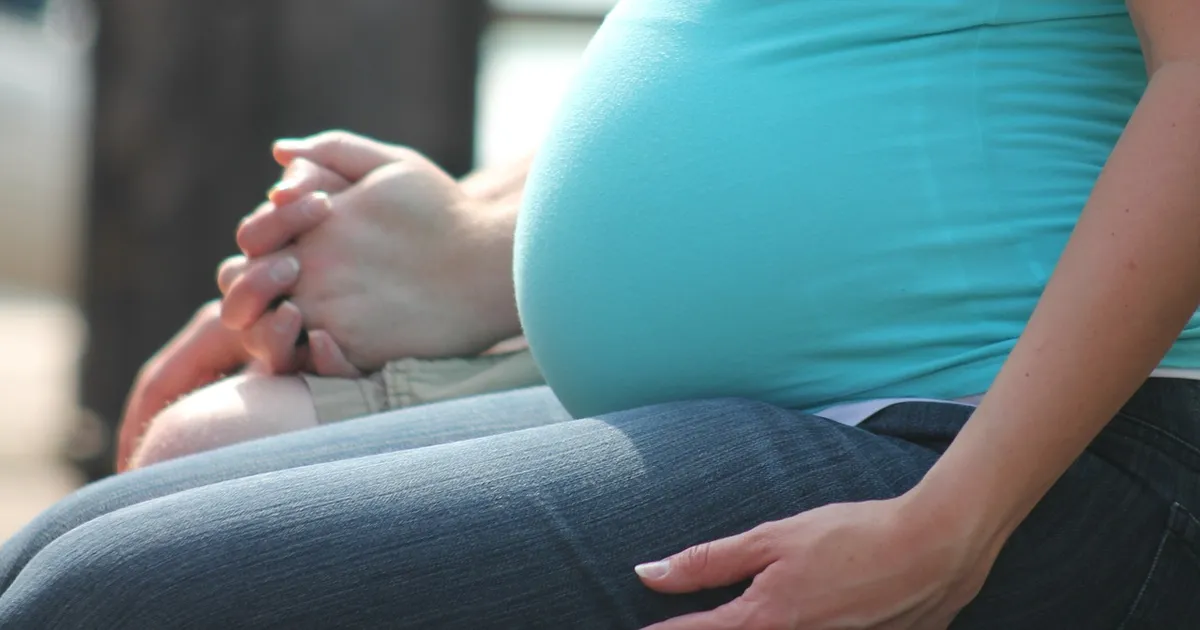
HAVANA — Pregnancy in girls and adolescents in Cuba has increased in the last five years according to a report published this Monday by the National Office of Statistics and Information (Onei).
According to that organization, the underage pregnancy rate is at the highest level – between 1.3 in 2021 and 1.4 per 100 girls in 2025 – in the youngest group (10 to 14 years old). A worrying situation in a country in the midst of a crisis and with a deteriorated health system.
However, the behavior of this indicator for the 15 to 19-year-old group decreased in that period from 48.5 to 43.2%, the report states.
For the youngest adolescents (10-14 years old), the highest rates by province were recorded in western Mayabeque (2.2%); the eastern Guantánamo (2%); Granma and Holguín (both with 1.9%); followed by Camagüey, in the center-east (1.8%); Pinar del Río, extreme east, (1.7%); Las Tunas (east) and the Sancti Spíritus central (1.4% each).
“This is a challenge that limits the full development of girls and adolescents and that involves us all as a society. Let us care and educate to build a world where each pregnancy is desired, each birth is risk-free and each young person reaches their full development,” adds the report.
Worrying figures
18% of all pregnancies in girls and adolescents in Cuba correspond to children under 14 years of age, according to official data from the Ministry of Public Health (Minsap).
The Vice Minister of Public Health, Reinol García Moreiro, described the data as worrying.
He stressed that births conceived by mothers under 15 years of age are increasing: in 2021 there were 381, while in 2022 and 2023 they were 397 and 419, respectively.
García also warned about unions between adults and minors as one of the main causes of this problem.
Teenage pregnancy in Cuba is considered a “serious social and health problem” by authorities, with around 18-19% of births coming from mothers between 15 and 19 years old.
