
It only took 48 hours for Ben Lopman’s 18-month-old son to go from an energetic toddler to completely apathetic.
Lopman’s son Ruben was suffering from severe dehydration caused by rotavirus, one of the most common causes of diarrhea and vomiting in infants and children. He was so sick that he ended up hospitalized, urgently needing intravenous fluids in order to maintain the strength necessary to fight the infection.
Lopman, an epidemiologist specializing in infectious diseases and currently associated with Emory University, was living in London when his son became ill. The year was 2008, five years before the UK approved a vaccine to prevent this highly contagious virus. Finally, the boy recovered.
“It was terrifying,” Lopman said. “It also reminded me how serious this disease can be for any child.”
Rotavirus, a seasonal flu-like virus, has seen an uptick across the United States since last January. With infection rates now higher than at the same time last year, doctors are raising new concerns that declining vaccination rates could lead to more severe illnesses and an even greater rebound in the coming years.
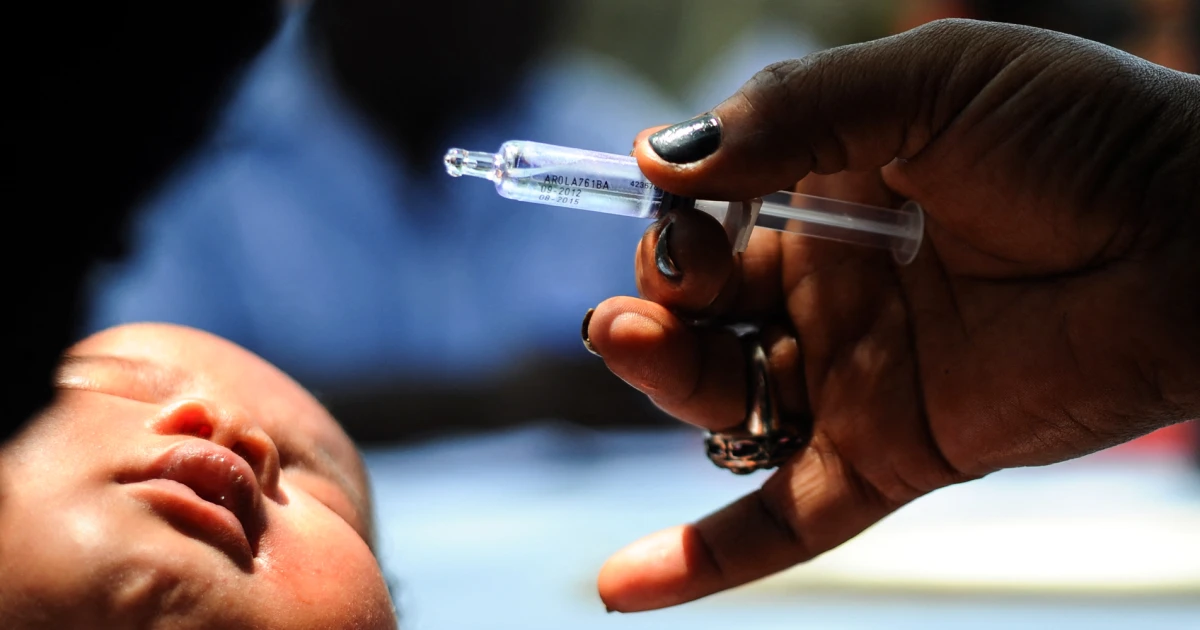
This virus—which is spread when hands come into contact with an infected surface and then touch the mouth—used to be a leading cause of serious illness among infants and young children in the United States; According to the National Foundation for Infectious Diseases, it was responsible for more than 200,000 emergency room visits, up to 70,000 hospitalizations and dozens of deaths each year. This situation changed drastically after the approval of the first oral vaccine 20 years ago.
(CDC reduces number of vaccines recommended for children in unprecedented review of childhood immunization)
Data from WastewaterScan—an academic program powered by Stanford University in collaboration with Emory University—reveals that the virus has seen a sustained rebound since January, with levels continuing to rise in certain areas of the United States, including the West and Midwest regions. “We are currently detecting a large amount of rotavirus in wastewater, certainly the levels are very high, which tells us that there is a high incidence of rotavirus infections in these communities,” said Marlene Wolfe, director of the WastewaterScan program and co-principal investigator.
Declining vaccination rates
Stephanie Deleon is watching this rebound closely in Oklahoma City.
Deleon is associate medical director and pediatric hospitalist at Oklahoma Children’s OU Health, where there has been a steady stream of children admitted for rotavirus over the past two months. According to him, there are no signs that this trend is subsiding.
Initial symptoms include a fever of about 101°F, accompanied by vomiting. “Both symptoms subside quite quickly, within a day or day and a half,” he explained. “However, diarrhea subsequently begins, often with more than 20 episodes a day.”
There is no specific treatment for this infection beyond supportive care—such as fluid administration—so children and their families must wait for the virus to complete its cycle. Symptoms may persist for three to eight days.
Most of the patients the hospital sees are too young to receive the vaccine, have not yet completed the vaccination schedule, or have not been vaccinated at all; This last case constitutes a growing problem throughout the United States. According to the most recent data from the CDC, nationwide, 73.8% of children are vaccinated. This figure has been declining steadily over the last eight years.
(Norovirus joins influenza and COVID by presenting infections earlier this season)
“Unvaccinated children are undoubtedly at greater risk of developing serious illness and requiring hospitalization,” Deleon warned.
“A disease that causes vomiting”
Washing hands and disinfecting surfaces can help slow the spread, but this virus is difficult to eradicate.
“The virus can survive on surfaces for a long period of time,” said Yvonne Maldonado, senior professor of Global Health and Infectious Diseases at Stanford University. “Even after washing your hands, it is easy for the virus to still be present.”
Rotavirus can infect anyone, but it can progress particularly quickly and severely in infants and young children, often leading to hospitalization.
“The problem with rotavirus is that it is a vomiting disease,” said Paul Offit, director of the Vaccine Education Center and professor of pediatrics at Children’s Hospital of Philadelphia. “You throw up and you throw up and you throw up again. It’s very difficult to orally rehydrate someone who is vomiting, and that’s why they end up being admitted to the hospital to receive IV fluids.”
Offit said he used to treat 400 children each year at his hospital with severe dehydration caused by the virus. She vividly remembers the time when she was a pediatrics resident and treated a little girl who died.
“That girl was perfectly healthy two days before,” he said. “She was a 9-month-old, healthy little girl. I will never forget this, because I was the one who had to go out to the waiting room to tell the mother that her daughter had died.”
He said that memory remained in his mind as, years later, he helped develop RotaTeq, one of two currently approved rotavirus vaccines.
The Centers for Disease Control and Prevention (CDC) estimates that between 40,000 and 50,000 hospitalizations of infants and young children are avoided each year thanks to these vaccines, which are administered starting at two months of age.
(FDA warns of oysters and clams contaminated with norovirus in 9 states)
Likewise, various studies have shown that 9 out of 10 children who receive the vaccine will be protected against severe disease. According to the CDC, 7 in 10 will be completely protected from infection.
Despite this data, earlier this year, Health and Human Services Secretary Robert F. Kennedy Jr. announced changes to the childhood vaccination schedule; These changes included eliminating the rotavirus vaccine and advising parents to consult their doctor before deciding whether to vaccinate their children.
“The virus is still circulating,” Offit said. “Therefore, the decision not to get vaccinated is equivalent, in practice, to the decision to contract the infection.” Although a federal judge temporarily halted the schedule changes last month, doctors are concerned that even the mere attempt to change the guidelines has raised doubts among some new parents, who may now be reluctant to vaccinate their children against rotavirus.
“These are young people who are receiving confusing messages,” Maldonado said. “They don’t know who to turn to.”
Although rotavirus deaths are unlikely to become common in the United States — given the country’s access to health care — the rate of serious complications could increase significantly due to resistance to vaccination, warned Monica Gandhi, an infectious disease specialist at UCSF.
“The fear, the expense, the suffering and the need to take time off work: a hospitalization is a huge issue,” he said. “When the medical community developed vaccines, they did so not because 100% of people died, but because the goal is to prevent children from getting sick or dying.”
Lopman, who previously studied rotavirus at the CDC, believes that the current spike in cases is unrelated to recent changes in health policies. However, he is concerned that — given the decline in vaccination rates — the experience he lived with his own son could be repeated in other families.
“In reality, this is a truly extraordinary vaccine,” he concluded. “It has also been studied extensively for safety, and there is a very clear and overwhelming benefit.”
