
Select independently determines the products we cover and recommend. When you buy through our links, we may receive a commission. More information.
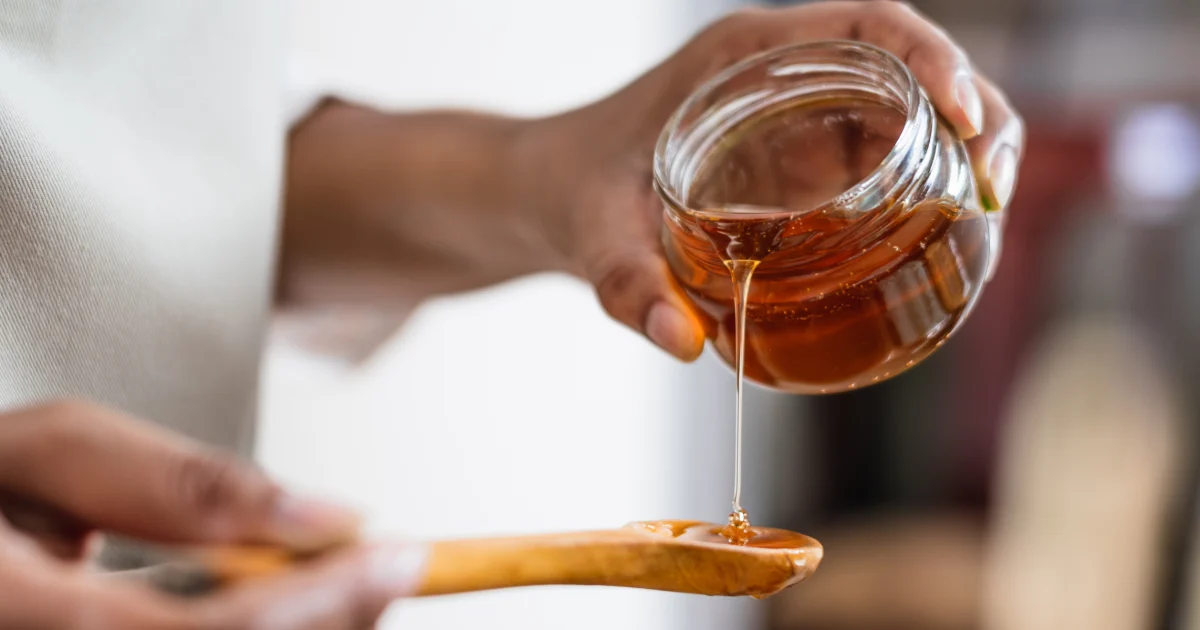
Runny nose. Itchy skin. A cough that doesn’t stop. These are symptoms of seasonal allergies, which about a quarter of adults and one in five children experience in the United States, according to the Centers for Disease Control and Prevention. Many people try almost anything to feel better, including homeopathic remedies. One of the most common is to consume honey, like the kind you add to your tea or drizzle on baked goods. But does it really help treat seasonal allergies?
“Eating honey has not been scientifically proven to help with seasonal allergies,” says Dr. Ruchi S. Gupta, professor of pediatrics and medicine at Northwestern University’s Feinberg School of Medicine.
Some small studies have investigated treating seasonal allergies with honey. Still, the results are inconsistent and the sample sizes are too small to draw definitive conclusions, says Dr. Carolyn Kwiat, a specialist in adult and pediatric allergy and immunology at ENT & Allergy Associates.
Does honey offer health benefits?
Although honey doesn’t help with seasonal allergies, it offers other health benefits as it is a natural anti-inflammatory and antioxidant, says Gupta. Honey tea, for example, is a homeopathic (i.e., alternative medicine) remedy for sore throats and coughs, says Melanie Carver, mission director for the Asthma and Allergy Foundation of America. You can also take a small spoonful when you have a sore throat or cough if you don’t like drinking tea.
Our best options
- Best honey to drizzle on food: Savannah Bee Company Tupelo Honey
- Best Spicy Honey: Mike’s Hot Honey
- Best honey to sweeten tea: Zach & Zoe Wildflower Honey
- Best manuka honey: Wedderspoon Raw Mānuka Honey
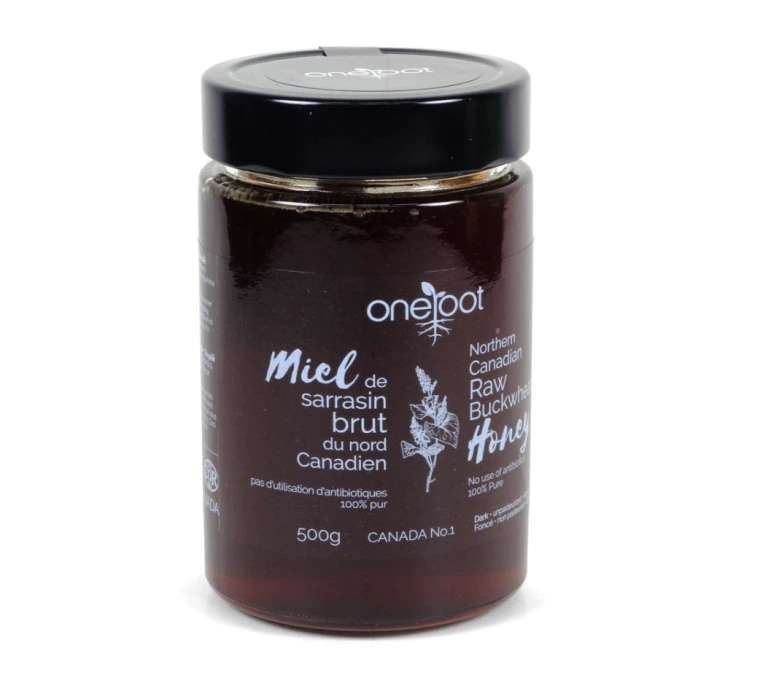
- Best buckwheat honey: OneRoot Raw Buckwheat Honey
The best honey to have at home
Having a jar of honey at home is useful for treating a sore throat or sweetening foods and drinks. In our honey guide, experts say you should prioritize purchasing unfiltered options, meaning they haven’t been subjected to heat or stripped of their nutrients before being packaged. You should also look for pure honeys, meaning they do not contain artificial additives. All of the honeys I recommend below are unfiltered and pure.
Zach & Zoe Wildflower Honey
- Zach & Zoe ($22)
Zach & Zoe Bee Farm, based in New Jersey, is one of my favorite honey brands to stock up on. I sprinkle it in my tea and over my yogurt to sweeten it, but the flavor is not overwhelming. The opening of the jar is wide enough to use utensils, which makes it easy to measure, especially when I’m baking.
Wedderspoon Raw Mānuka Honey
- Amazon ($19.78)
- Wedderspoon ($27.99)
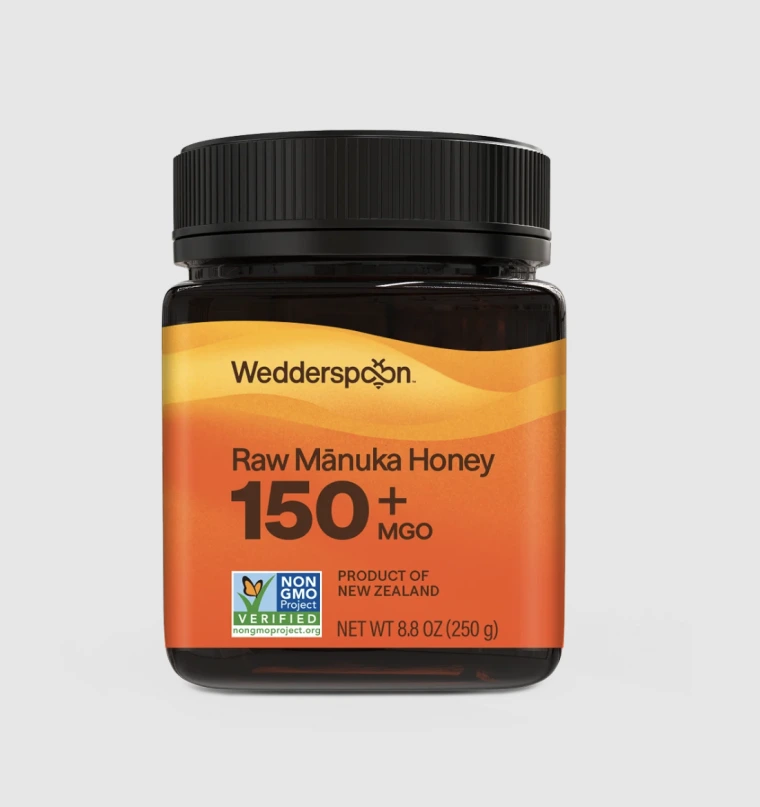
Wedderspoon’s manuka honey is harvested and packaged in New Zealand. It has a creamy texture and an intense flavor reminiscent of caramel and toffee (which it also resembles in color).
Savannah Bee Company Tupelo Honey
- Amazon ($29)
- Savannah Bee Company ($29)
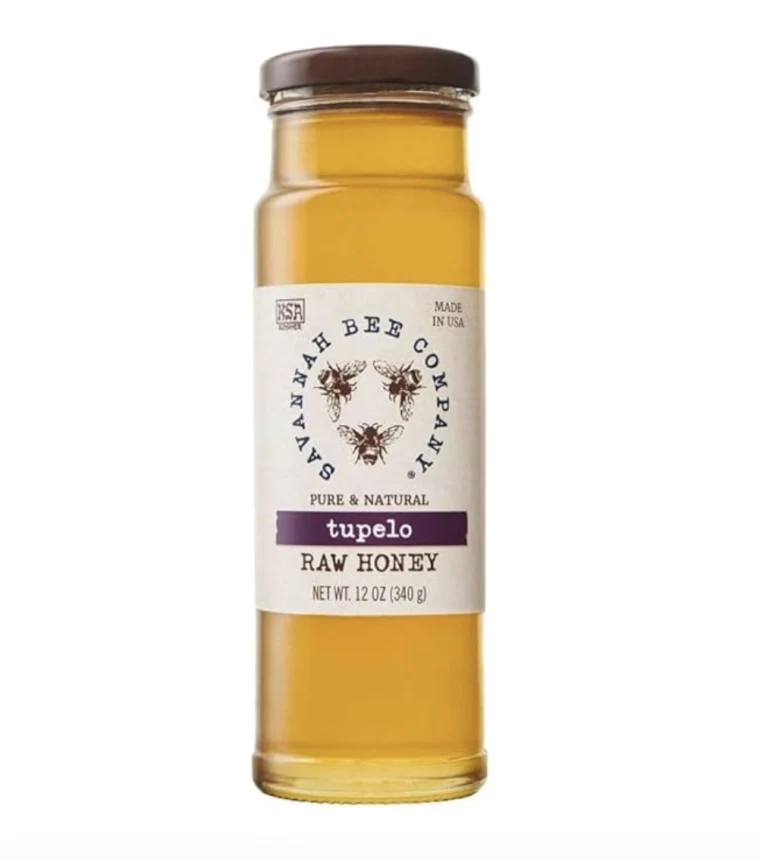
Harvested around tupelo trees growing on the Georgia-Florida border, this honey from Savannah Bee Company has a smooth texture and distinctive buttery flavor. It’s versatile: you can mix it into your tea and use it as a dipping sauce biscuits.
Mike’s Hot Honey
- Amazon ($9.97)
- Target ($12.99)
- Walmart (usually $9.97, now $8.74)
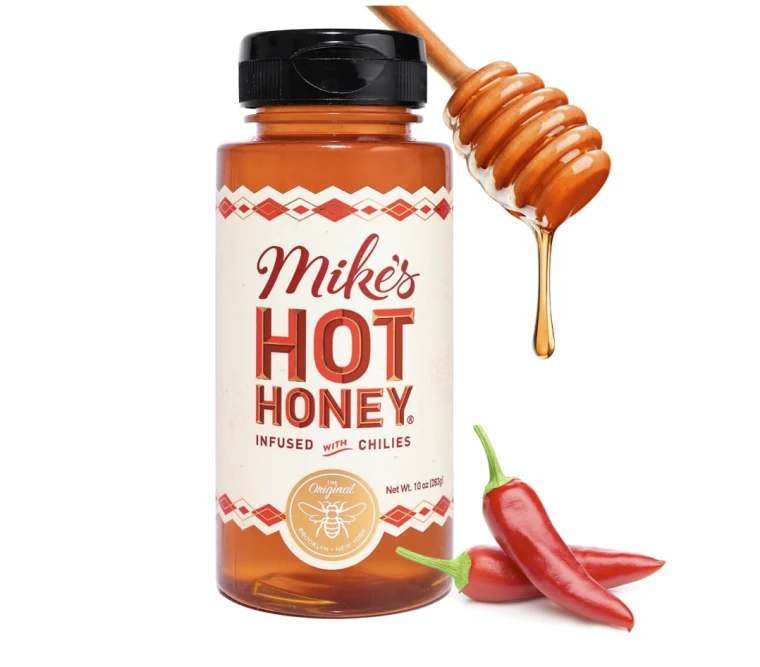
Mike’s Hot Honey is made with chili peppers and vinegar. NBC Select Business Editor Cory Fernandez adds this spicy honey to your breakfast. “I love to drizzle it on avocado toast or cottage cheese with relish. everything bagel“says Fernandez. “It’s also an excellent topping for hummus, especially if your guests like a spicy snack.”
OneRoot Raw Buckwheat Honey
- Amazon ($29.99)
- OneRoot ($17)
This honey, which is produced from bees pollinating buckwheat plants, has a slightly bitter taste compared to wildflower honey, making it an acquired taste, experts say. Bees collect nectar for OneRoot honey from buckwheat fields in Ontario, Canada.
Why doesn’t honey help treat seasonal allergies?
The idea that honey helps treat seasonal allergies focuses specifically on consuming local raw honey, which is minimally processed honey produced in the area where a person lives. “The belief comes from the idea that raw honey contains local pollen and that exposing your immune system to that pollen will reduce your sensitivity to it,” thereby reducing symptoms, says Gupta. While this may make sense in theory, it doesn’t work in practice. This is because the pollen that bees collect from flowers, of which honey may contain traces, is different from the pollen that causes seasonal allergies.
People develop allergies to windborne pollen, that is, plants that release microscopic pollen into the air such as trees, grasses and weeds, Kwiat says. Some plants have pollen that is too heavy to be carried through the air, so they are pollinated by animals such as bees. Since that type of pollen never reaches the air, it does not cause allergies. And because bees don’t pollinate wind-pollinated plants, very little (if any) of that type of pollen makes it into honey, so you’re not exposed to it when you consume it, Carver says.
Who can consume honey?
Honey is safe for adults and children over one year old. However, babies under one year old should not consume honey because it contains a bacteria called Clostridium that can cause infant botulism, an infectious and dangerous disease, says Carver.
What are seasonal allergies?
“A seasonal allergy, also known as ‘hay fever’ or ‘seasonal allergic rhinitis,’ is a condition in which the immune system overreacts to pollen from trees, grasses, and weeds that is released into the air during certain times of the year,” says Gupta. Pollen can travel for miles in the air, making it difficult to avoid, even living in an urban environment.
When people tend to experience seasonal allergies depends on where they live and their local climate, Kwiat says. But in general, allergy seasons occur in three phases and are related to the different types of pollen prevalent at different times of the year, Carver says.
- Springwhen tree pollen is the main seasonal allergen.
- Summerwhen grass pollen is the main seasonal allergen.
- Autumnwhen ragweed (a type of weed) is the main seasonal allergen.
People can be allergic to one or more types of pollen, so the seasons in which they experience symptoms may overlap, Carver says. Mold allergies are also seasonal for some people. Outdoor molds tend to increase in autumn when plant matter decomposes or during “wet seasons,” that is, periods with higher average levels of rainfall.
What symptoms are associated with seasonal allergies?
Runny nose, sneezing, hives, wheezing, difficulty breathing, and cough are the symptoms most commonly associated with seasonal allergies. If you’re sensitive to certain allergens, they will trigger an immune response when your eyes, skin, nose, or respiratory system come into contact with them, Kwiat says. The symptoms of seasonal allergies are often similar to those of a common cold, but they can begin suddenly and persist for weeks if left untreated. A hallmark symptom of allergies is itching, which doesn’t occur with a common cold, says Carver.
How are seasonal allergies treated?
The first step in treating seasonal allergies is to see your doctor, says Gupta. They can help you create a treatment plan, which you should start before pollen season begins to get the most relief from medications. Common treatments include over-the-counter nasal sprays, eye drops, decongestants, antihistamines, or prescription medications. Allergy shots and immunotherapy are other types of long-term treatments, says Gupta.
It’s also important to try to avoid the allergens that trigger your symptoms when possible. This is easier said than done, as pollen is especially difficult to avoid. However, pay attention to the pollen count and consider spending less time outdoors on days when the count is particularly high, Kwiat says. You can check your pollen count using weather apps or websites. Also, try keeping windows closed, using air purifiers, showering or bathing before bed to remove skin allergens, and washing bedding frequently, says Gupta. Wearing a mask and sunglasses outside also helps limit the amount of pollen that gets into your eyes, nose, mouth and airways, Carver says.
Meet our allergy experts
At NBC Select, we work with experts who have specialized knowledge and authority based on relevant training and/or experience. We also take steps to ensure that all expert advice and recommendations are made independently and without undisclosed financial conflicts of interest.
- Dr. Carolyn Kwiat is a specialist in adult and pediatric allergy and immunology at ENT & Allergy Associates in Brooklyn, NY.
- Dr. Ruchi S. Gupta is a professor of pediatrics and medicine at the Feinberg School of Medicine at Northwestern University. She is also founding director of the Center for Food Allergy & Asthma Research and a clinician at Ann & Robert H. Lurie Children’s Hospital in Chicago.
- Melanie Carver is chief mission officer for the Asthma and Allergy Foundation of America.
Why trust NBC Select?
I’m a reporter at NBC Select and write about wellness, including topics on at-home Covid testing, KN95 masks, and how to treat blisters. I also cover the food and drink space, writing articles on honey, chocolate, salt and olive oil. For this article, I interviewed three experts about whether honey is an effective treatment for seasonal allergies and selected the best honeys to have at home.
Catch up on NBC Select’s in-depth coverage of technologyproducts for welfare and more, and follow us on Facebook, instagram, Twitter and TikTok to stay on top of everything.
This content was originally published on NBC Select.
