
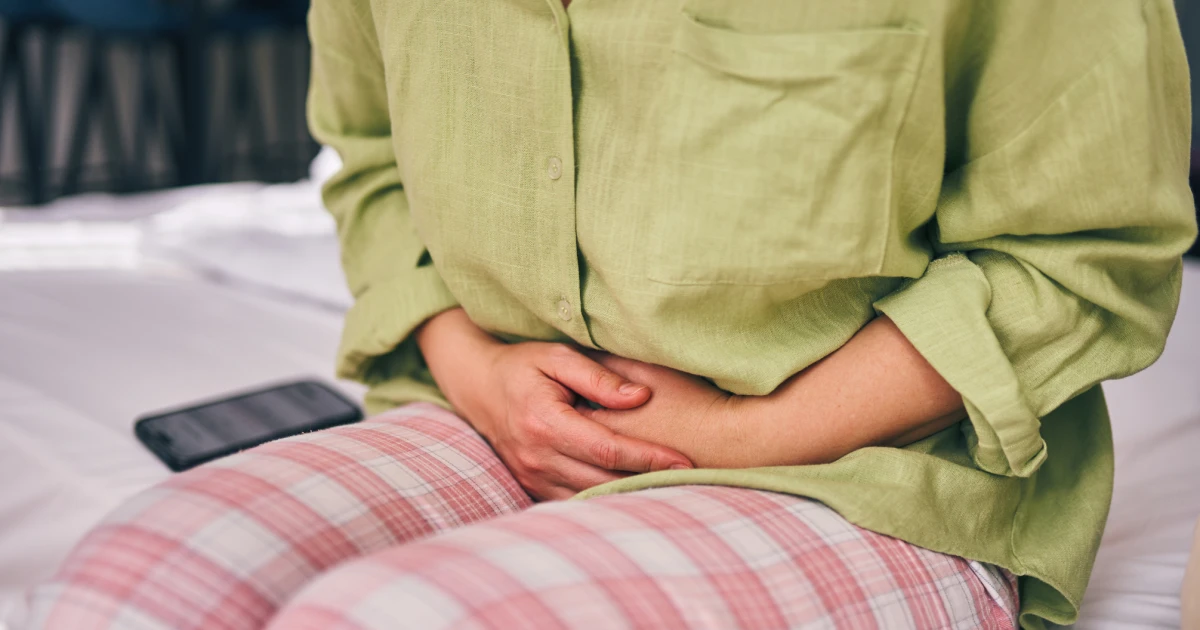
A very troublesome gastrointestinal virus is spreading rapidly in several states, with more than 700 cases confirmed in Michigan in recent weeks. The demand for testing for cyclosporiasis – a disease often caused by contaminated fresh produce – is so intense, with so many patients seeking help for excruciating diarrhea and abdominal cramps, that many laboratories cannot cope.
The origin of these rapidly spreading diseases is unknown, although the Food and Drug Administration (FDA) indicated that an investigation is underway.
Cases in Michigan could easily reach 1,000, said Dr. Anurag Malani, deputy chief of staff at Trinity Health Ann Arbor. “There are many more cases to come.”
Meanwhile, health authorities are racing to figure out what people are eating that’s making them sick.
“We’re going through people’s shopping lists,” said Dr. Natasha Bagdasarian, Michigan State’s chief medical executive. Staff, he noted, are working overtime as cases have skyrocketed in recent weeks: 708 cases over the course of about 10 days.
It is “very unusual,” Bagdasarian said, as the state typically records 40 to 50 cases a year.
(Drinking coffee reduces the risk of chronic liver disease, diabetes and Parkinson’s, study says)
Cyclosporiasis cases tend to increase during the summer, usually between May 1 and August 31, according to the Centers for Disease Control and Prevention (CDC). Most cases are concentrated in the southeastern part of Michigan, although cases have also been reported in Ohio, North Carolina, Illinois and New Jersey, among others.
The FDA and CDC are monitoring the outbreaks, an FDA spokesperson said in an email. “At this time we are not in a position to characterize the current figures as definitely unusual, pending the conclusion of that investigation,” the spokesperson said.
The disease – cyclosporiasis – is food poisoning caused by a microscopic parasite called Cyclospora. The source is almost always fresh products. Previous outbreaks have been linked to raspberries, bagged lettuce or salads, cilantro and basil.
Symptoms include explosive, watery diarrhea. People may also experience unusually severe gas, stomach cramps, nausea, and loss of appetite.
(At least 17 people have been hospitalized in a legionellosis outbreak in New York)
According to the CDC, 145 cases of cyclosporiasis were reported in 17 states from early May to June 16, although those numbers are likely far below reality.
“The CDC not youhave evidence of a single Cyclospora outbreak affecting multiple states and linking the cases that are occurring right now and being reported in the press,” a CDC spokesperson wrote in an email.
However, starting in July 2025, the CDC made Cyclospora monitoring optional, as part of the reduction of its Foodborne Illness Active Surveillance Network. At the time, food safety experts were concerned that this could make it harder to identify and respond to outbreaks.
Dr. Brian Kaminski, vice president of medical affairs for ProMedica Health System – which serves patients in both southeast Michigan and northwest Ohio – said the cases in both states appear to be part of an “epidemic cluster.”
(This happens to your body when you have a hangover and can help you recover)
“When we started seeing cases of persistent diarrhea, we knew something was up,” Kaminski said. “I would say that trend continues.” Until Monday, ProMedica Health System had registered 411 cases.
Cyclosporiasis is not transmitted from person to person, unlike norovirus, a highly contagious stomach virus that usually disappears within a few days. If left untreated, cyclosporiasis can last for weeks. It is treated with an antibiotic, usually Bactrim. Some people have had to be hospitalized, often for dehydration, Malani said.
No deaths have been reported.
“The question is, where is it coming from? Are all the states related, or are there multiple outbreaks occurring?” said Dr. Matthew Sims, director of infectious disease research at Corewell Health in Royal Oak, Michigan.
Symptoms may take one to two weeks to appear after consuming contaminated food, which can complicate investigation.
Bagdasarian noted that health authorities are asking each patient which restaurants they have attended in the past two weeks, what they ordered, where they shop and what products they purchased.
Testing capacity in some areas has been overwhelmed. “Initially, the response time was about 24 hours, and Now it takes us two to three daysKaminski said. If those delays continue, doctors may have to start treating people based solely on symptoms, rather than waiting for confirmatory results.
How to protect yourself from cyclosporiasis
Rinsing fruits and vegetables can reduce the risk of contracting cyclosporiasis, but it does not eliminate it completely. The parasite, cyclosporia, “attaches to fruits and vegetables,” Kaminski explained.
Michigan health officials recommend people buy whole lettuce and remove the outer leaves, where contamination could be present, before washing.
Raspberries, in particular, can be difficult to clean because they are covered in small hairs that the parasite likes to attach to.
It’s possible that freezing will kill the parasite, Sims said, but it’s not guaranteed. Cook food It is the only safe way to remove it.
