
Located in the South Caucasus, at the crossroads between Eastern Europe and Western Asia, Armenia offers extraordinary cuisine deeply rooted in ancient agricultural traditions, mountain ingredients and centuries of interaction with the cultures of neighboring countries.
Their cuisine includes grilled meats such as chicken, pork and lamb, as well as freshwater trout, fresh herbs, lavash bread baked in clay ovens buried in the ground, and hearty stews.
These are some Armenian dishes worth trying
Khorovats: the Armenian barbecue
Khorovats is Armenian barbecue and perhaps the dish most closely associated with the country’s celebrations. Pork, lamb or beef is roasted over charcoal, usually accompanied by onions, tomatoes, peppers and fresh herbs. More than a meal, it is a social ritual in which the preparation itself becomes part of the meeting.
Dolma: stuffed leaves and vegetables
Grape leaves, cabbage, or other vegetables are stuffed with seasoned meat and rice, although meatless versions are also popular. The Armenian dolma has numerous regional and family variations.
Lavash: the bread that takes center stage on the table
Thin, soft lavash is traditionally baked attached to the sides of a tonea clay oven buried in the ground. It is used to wrap food, accompany meals and share at the table. Its elaboration and meaning are part of the intangible cultural heritage recognized by UNESCO.
Harissa: a dish with deep roots
The wheat and meat are slowly cooked to a thick, almost creamy consistency. Traditionally prepared for special occasions, harissa reflects the importance of wheat and grains in Armenia’s culinary heritage.
Tan: a refreshing drink
Made mainly with yogurt, water and salt, tan is prepared by diluting the yogurt with water until obtaining a light and refreshing drink, with a slightly acidic and salty flavor. It is usually served cold and is a good example of how Armenian cuisine takes advantage of simple, locally available ingredients.
Fruits, sweets
The Armenian tradition of dried fruits and sweets reflects the abundance of their orchards and vineyards, as well as the practical knowledge of preserving crops. Apricots, grapes, plums, figs and other fruits are dried or made into preserves, while nuts and grape juice are made into sujukha distinctive traditional sweet. Cakes, like catcomplete the table, where dried fruits, nuts and sweets are often shared with coffee or tea, as part of the country’s deep-rooted culture of hospitality.
Experiences
We had the opportunity to learn how to prepare dolma at the Sheram by Mariam restaurant, a highly rated family gem located in Areni, a town in the Armenian province of Vayots Dzor.
In Garni, 7 QAR Restaurant is renowned for its panoramic views of the Garni Gorge and the ancient Garni Temple. It specializes in traditional Armenian cuisine, fresh ingredients and outdoor dining in a privileged setting. There you can observe and learn how traditional lavash bread is prepared, known for its soft, flexible texture and its versatility in the kitchen.
Back in Yerevan, we especially recommend the restaurants Abovyan 12 and Zepyur, where you can enjoy traditional Armenian cuisine with a modern touch.
On Tpagrichneri Street in Yerevan, Gagoyi Mot is a small food kiosk where traditional dishes are served through a window. This simple establishment offers food with extraordinary flavors at very affordable prices. Order the homemade shawarma and tan, the refreshing yogurt-based drink. They will like it.
Came
In Armenia, wine is closely linked to the country’s culinary heritage. With a winemaking tradition that dates back thousands of years, this alcoholic beverage accompanies the shared table in the same way as lavash, herbs and grilled meats. Indigenous grape varieties, such as Areni, have given Armenia its own wine-growing identity, while the tradition of toasting guests and important occasions reaffirms the role of wine in Armenian hospitality.
“For khorovats, I recommend red wines, particularly those made from the indigenous Areni grape variety, which pair naturally with grilled lamb and other meats,” explained Abovyan 12 executive chef Erik Hayrapetyan.
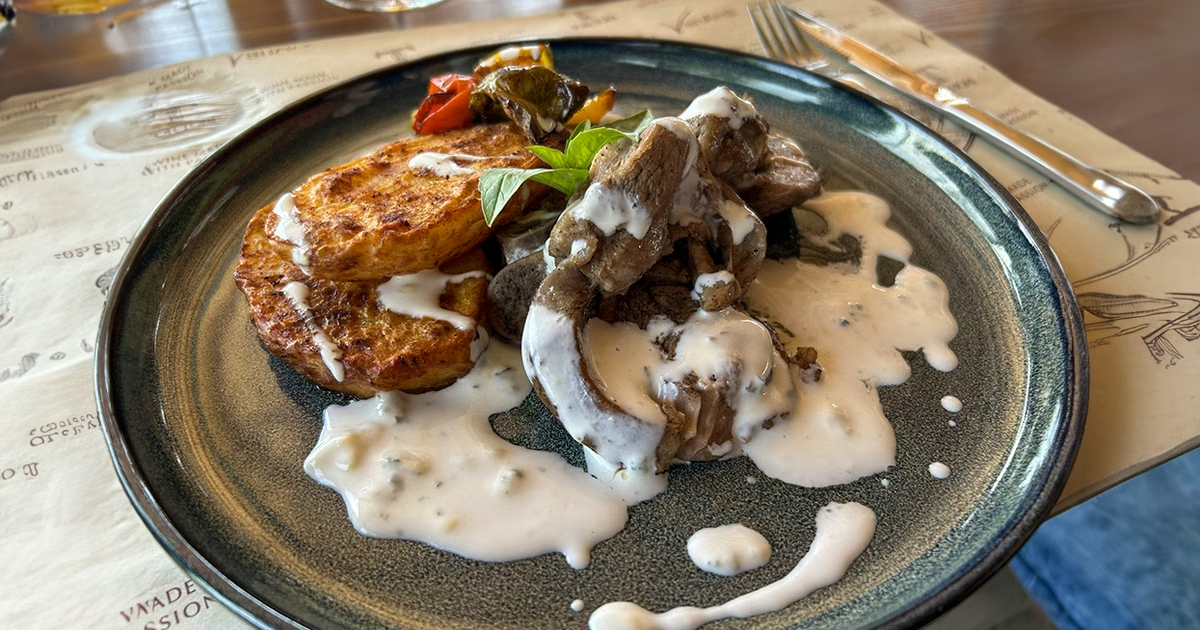
At Yerevans restaurant, specializing in local grills, kebabs and cuts of meat, we enjoyed an extraordinary dry red Vosken wine which accompanied a magnificent harissa and a meat dish.
Armenian cuisine brings together ancient flavors, native wines, dried fruits and traditional sweets that reflect the fertility of the land, the permanence of its culinary traditions and its generous culture of hospitality.
