
El Salvador is positioning itself as one of the most attractive emerging destinations in Central America. Its natural beauties, the improvement in safety indicators and affordable prices have aroused the curiosity of travelers from different parts of the world.
Affectionately known as the Thumbelina of America, the country offers a wide range of experiences for those who enjoy adventure, nature, gastronomy and history. However, its greatest attraction remains the warmth of its people.
For a four-day getaway, there are multiple alternatives that allow you to discover a nation that is undergoing a profound transformation.
San Salvador: history and urban renewal
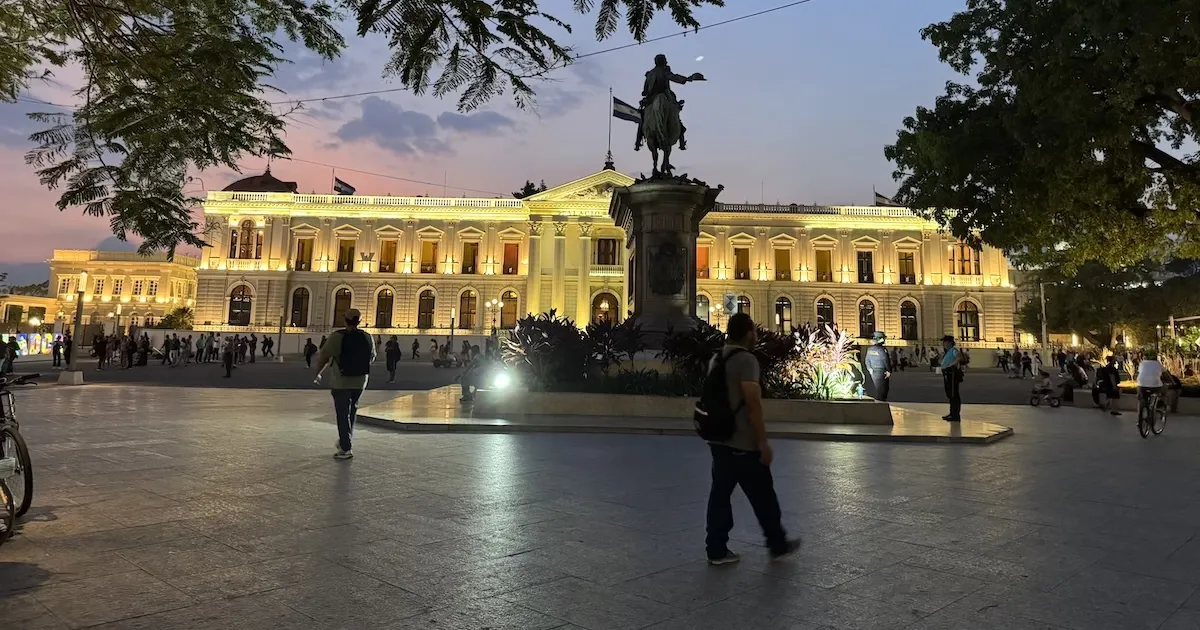
The capital shows a renewal that is evident to any visitor. The historic center has become a meeting point for residents and tourists who seek to learn about the country’s history and enjoy its recovered public spaces.
Areas that for years were marked by the presence of criminal groups today welcome families, entrepreneurs and visitors in a completely different environment.
One of the obligatory points is the Metropolitan Cathedral, where the crypt is located that protects the remains of Saint Óscar Arnulfo Romero, canonized by Pope Francis in 2018. His remains rest in a bronze mausoleum located under the main altar.
Right in front of the cathedral stands the National Library of El Salvador (BINAES), a modern cultural space that promotes reading, study and entertainment 24 hours a day, with free access to the public.
During the nights, the center takes on a special energy. It is common to see groups of people dancing, talking or enjoying cultural activities while the expansion and revitalization work in the area continues.
The Santa Ana volcano
El Salvador is known as the land of volcanoes and one of the most visited is the Santa Ana volcano, also called Ilamatepec, which at 2,381 meters above sea level is the highest in the country.
Its main attraction is the possibility of ascending to the edge of the crater, where a turquoise lagoon surprises visitors. Although the hike requires considerable physical effort and is of moderate-high difficulty, the panoramic views reward each step.
From the top it is possible to see Lake Coatepeque and a large part of the Salvadoran volcanic chain.
That night we stayed again at a Cardedeu hotel, this time in front of Lake Coatepeque, considered one of the most important natural treasures in the country.
The Flower Route
The Flower Route is another unmissable experience for those who visit the west of the country.
Among the notable places is the Green Lagoon, a body of water surrounded by mountains that transmits tranquility and allows you to disconnect from the fast pace of the city.
The route also includes stops at local coffee shops like Café Entre Nubes, where visitors can taste some of the best coffee produced in El Salvador while enjoying stunning views among coffee plantations and haze.
Lodging costs in this area can start around $40 per night, depending on the season and type of accommodation.
The day could culminate in Ataco, one of the most picturesque towns in the country. There, the María Isabel Hotel offers cultural experiences such as workshops to learn how to prepare pupusas, considered the Salvadoran national dish.
Surf City and the Pacific Coast
Surf lovers find El Salvador one of the most attractive destinations in Latin America.
Surf City has established itself as a meeting point for surfers from all over the world thanks to the quality of its waves and the tourist infrastructure developed in recent years.
Those who don’t practice this sport can also enjoy beginner classes or simply relax in front of the ocean.
The hotel offering is varied and adapts to different budgets, with options starting from approximately $100 per night.
In this area, the Fish Market and the Liberty Pier also stand out, two spaces that continue to be renovated as part of the country’s tourism development strategy.
A growing tourism
According to data from the Ministry of Tourism, El Salvador received 4.1 million international visitors during 2025, a record number that reflects the sustained growth of the tourism industry.
The combination of security, nature, gastronomy and competitive costs has allowed the country to gain prominence within the regional tourism offer.
Costs and transfers
For those who have only a few days, one of the most recommended options is to hire organized excursions that allow you to optimize transfer times.
Local companies offer packages that include transportation, logistics and tours of the main tourist attractions.
As for gastronomy, a meal at a mid-range restaurant can cost between $25 and $35 per person, including drinks.
