
Skin cancer is the most common type of cancer in the United States. And data indicates that 1 in 5 Americans will develop this tumor, known as carcinoma, before turning 70.
Detection requires a biopsy, a procedure in which a small piece of skin is removed and analyzed in the laboratory. This method can leave scars and a wound that takes a few days to heal.
(We always think that it will never happen to us: Dominican woman tells how she overcame colorectal cancer)
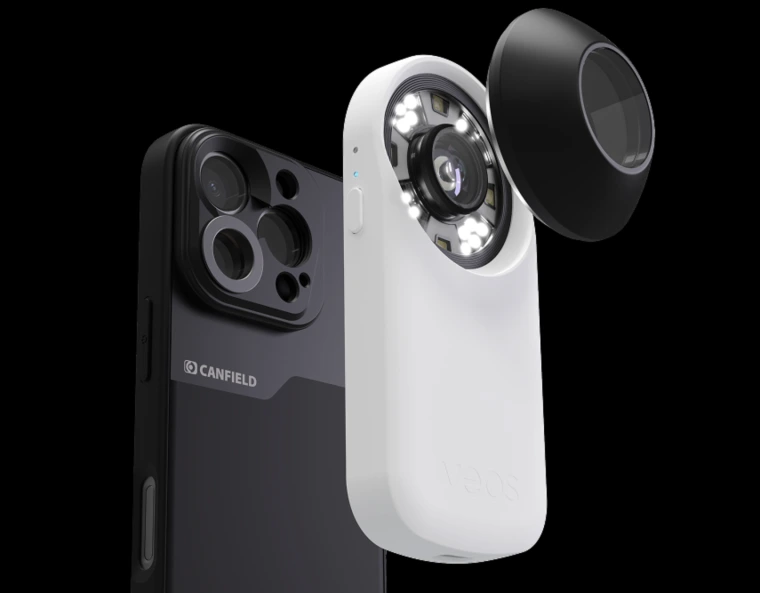
To see if it is necessary to proceed with a biopsy, doctors use something called dermoscopy (or dermoscopy), which is a device with a lens that magnifies the image of the skin. But this instrument is usually not connected to a camera.
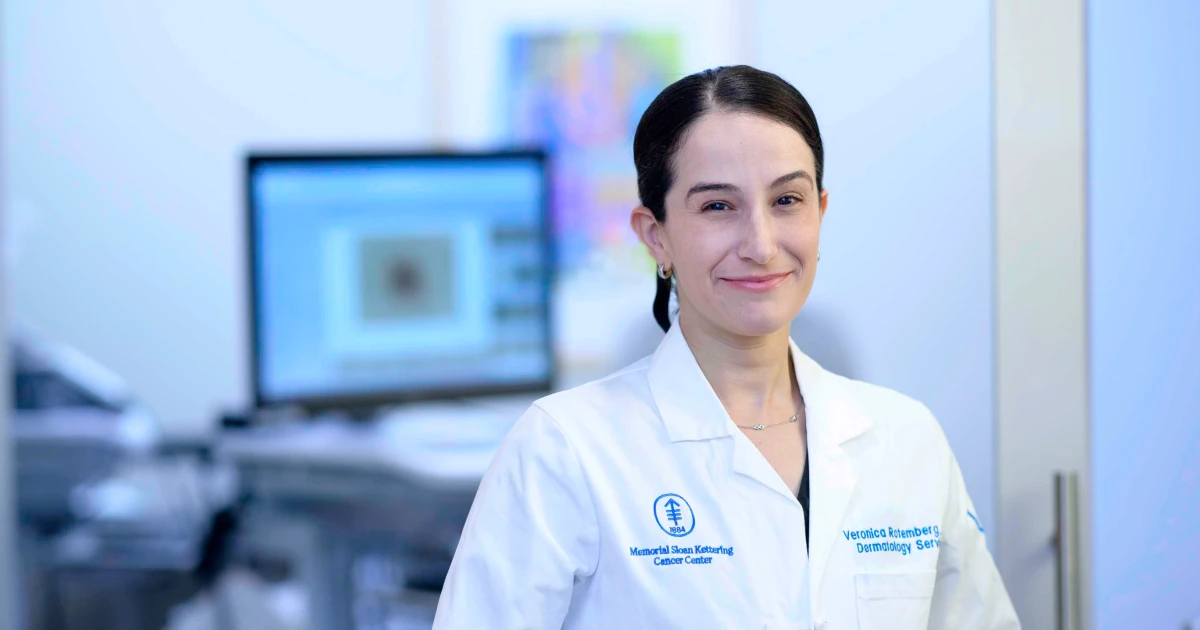
And that is precisely what Argentine doctor Verónica Rotemberg, a dermatologist at Memorial Sloan Kettering Cancer Center, and her team are investigating: the use of mobile phone cameras, along with an instrument similar to dermoscopy and artificial intelligence to detect skin cancer less invasively.
The system, connected to a phone, takes a photograph that is a magnified image, which can distinguish, without the need to undergo a biopsy, if there is a cancerous spot or freckle. And some hospitals are already using it in an experimental phase.
The Rotemberg team’s research explores the use of mobile phone cameras, along with this instrument similar to dermoscopy and the use of artificial intelligence to detect skin cancer.
“When there is a biopsy, one has a bandage for a week or two and it is very likely that there will be a scar, and one also has to wait between five and ten days to receive the diagnosis of the cells that are seen under the microscope,” says Rotemberg.
However, Rotemberg and his team’s research is not yet available to the public. “For now, artificial intelligence models are really dependent on the information that was used to train them,” says the doctor.
Ultimately, the models that exist are examples captured in dermatological clinics and therefore, Rotemberg explains that they are now imperfect, since certain groups, such as Hispanics, are underrepresented.
The importance of early detection
The chances of developing skin cancer increase if you have a family member who has the disease and if you have been exposed to the sun a lot over time. According to the Skin Cancer Foundation, five or more sunburns double the risk of melanoma.
But, when detected early, the 5-year survival rate for this type of cancer is 99 percent. “When you find it early, it can be cured very easily because you can do a simple surgery and get rid of the skin cancer,” says Rotemberg.
(From festering infections to untreated cancer: ICE detainees report medical negligence)
Beyond regular checkups, experts say it’s important to keep an eye out for any suspicious areas, including moles, sores, and changing skin tags. The aspects to take into account are: asymmetries within the same spot, irregular edges, color – paying attention to whether it is even -, diameter – paying attention to large spots – and finally the evolution.
A reality still limited to health centers
“The idea of taking these types of photos in our home and being able to avoid a visit to a dermatologist, I think is quite far away,” says Rotemberg. To which he adds that the doctors first check all the skin, and from there they determine if there are any moles or anything alarming.
That, at the moment, cannot be done by artificial intelligence. “So for now I think that these models are going to have to be used in the hands of a doctor or a person who is a clinician, because we really don’t know how they are going to work when they are images captured by a patient at home,” confirms the doctor.
For this reason, he recommends not trusting the applications found, for example, in the App Store, since he says that they are not thoroughly reviewed nor have they gone through the necessary clinical studies.
Tips to maintain healthy skin during summer
Rotemberg is clear that we are all responsible for adopting habits that can reduce the chances of suffering from skin cancer.
(Experts include a new analysis that may facilitate the diagnosis of colon cancer)
The first is to protect yourself as much as possible from the sun, either with sunscreen, which, according to the doctor, should be 30 SPF or more. And not just apply it in the morning: “it is important to reapply at least every two hours while you are in the sun,” says Rotemberg.
He also advises that when the UV ray index is very high, which is normally between ten in the morning and four in the afternoon, we should stay in the shade.
“And I also always recommend huge hats and long sleeves if you can,” adds the doctor.
But what Rotemberg always tells her patients is that, even if they protect themselves and monitor themselves, “they have to live their life,” since she herself likes to be outside and enjoy the good temperatures.
He also says that it is essential that they go to the dermatologist “once so that he can tell them what their personal risk for skin cancer is,” since he says that there is no general public recommendation and that precisely in this type of cancer there are many contributing factors, both habits and genetics. Therefore, for Rotemberg, the most important thing is to know the personal risks and act accordingly.
