
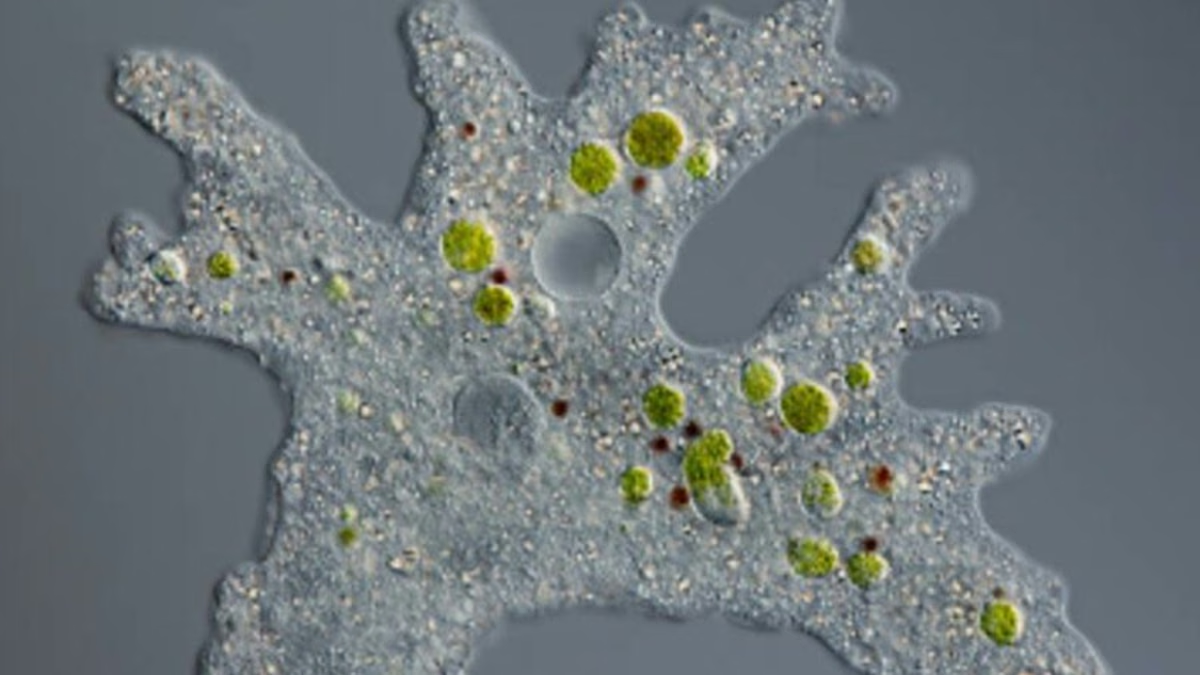
MEXICO CITY. Mexico reported the presence of the so-called “brain-eating” amoeba in six artificial lakes that it ordered to close.
Health personnel from the state of Yucatán analyzed the water of six of nine lakes in that tourist center, after the death of a water ski instructor who contracted the amoeba. Naegleria fowleri last September.
These lakes were built for recreational purposes, such as water skiing, stand-up paddling, and kayaking, in shopping centers and luxury residences.
It is the first death to be recorded in this state famous for its beaches and the impressive freshwater pools known as cenotes. The authorities then decided to expand health surveillance.
The Secretary of Health of Yucatán, Alberto Alcocer, urged the population to contact health personnel if they were in contact with this contaminated water.
“Finding this amoeba in the environment does not mean that there is an epidemic or that the people who visit these places are sick,” the official clarified in a video published on Wednesday night.
“The infection mechanism occurs when water contaminated with the species capable of causing the disease enters through the nose,” he added. “This means that we must continue to act with prevention.”
The 36-year-old ski instructor who died was hospitalized several days earlier for primary amoebic meningoencephalitis, the disease caused by the amoeba. He worked on the artificial lake in Plaza la Isla.
The Naegleria fowleri It proliferates in stagnant fresh water in lakes, rivers, ponds and hot springs around the world, especially between 35 and 46 degrees Celsius, according to health authorities in Mexico and the United States.
The brain infections they cause are very rare, but almost always fatal.
The government of Yucatán opened an investigation against the companies in charge of the maintenance and quality of the water of the first lake where they detected the presence of the amoeba.
Lakes where the “brain-eating” amoeba was detected
The lakes where contact with water was suspended are:
Plaza La Isla.
North Cape.
Centennial Zoo.
Great La Plancha Park.
Poniente Ecological Park.
What is the “brain-eating” amoeba?
The Naegleria fowleri It is a microorganism that lives naturally in soil and in bodies of temperate fresh water, such as lakes, rivers and ponds. It is known as a “brain-eating” amoeba, because it can enter the body through the nose and reach the brain.
It can cause primary amoebic meningoencephalitis, a rare infection that affects the central nervous system and can progress rapidly.
Contagion occurs when contaminated water enters the nasal passages, drinks contaminated water, or submerges or engages in water activities. Drinking contaminated water is not a recognized route of infection and is not transmitted from person to person.
Initial symptoms include: severe headache, fever, nausea and vomiting.
