
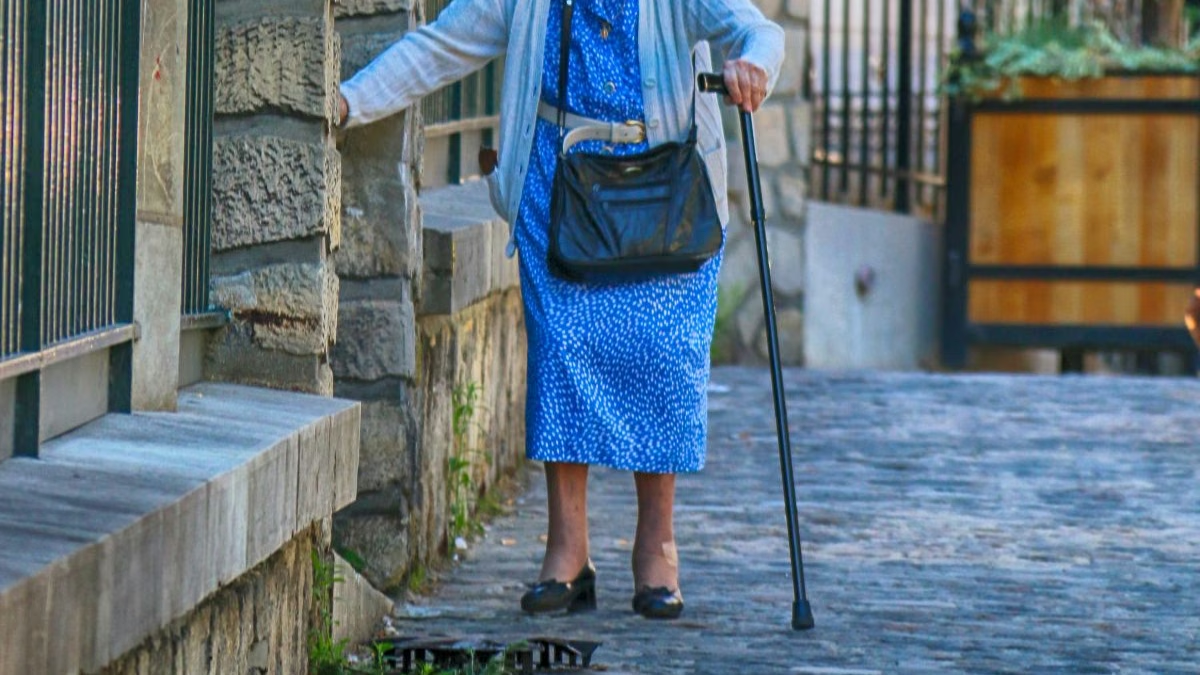
MIAMI.- Staying at home during old age is an aspiration for many people who want to maintain their independence, their routines and their connection with their family environment. However, a home that was comfortable for decades can become a space full of obstacles when mobility, muscle strength, vision or balance decrease.
Falls represent one of the main health risks for older adults. According to the World Health Organization (WHO), approximately 842,000 people died from this cause in 2023 worldwide and around 71% of those deaths were people aged 60 or older.
Prevention does not depend exclusively on physical condition. It also requires reviewing the domestic environment, identifying dangerous points and making modifications that allow moving around more safely.
Aging in place, known internationally as aging in placeimplies precisely that: adapting the home to the needs that appear over the years, instead of waiting for an accident to occur to intervene.
The bathroom and the kitchen, two priority spaces
The bathroom concentrates several risk factors: wet surfaces, unevenness, movements to get in and out of the shower and efforts to sit or get up from the toilet.
One of the first recommended modifications is to replace, when possible, the bathtub with a walk-in shower, which facilitates access without having to raise your legs too much. It is also a good idea to install grab bars firmly anchored to the walls, both in the shower and next to the toilet.
Floors and mats must be non-slip. A shower chair or bench allows you to wash while sitting, while keeping hygiene products within reach prevents unnecessary stretching and movement.
In the kitchen, the goal is to reduce the need to bend over or climb onto unstable surfaces. Utensils, food and frequently used items should be placed on accessible shelves. It is also important to immediately clean up any spilled liquid and avoid using chairs or stools to reach elevated objects.
Lighting, hallways and stairs
Lack of light can make it difficult to identify unevenness, furniture and other obstacles. Therefore, it is recommended to improve the lighting in all rooms, install accessible switches and place night lights in the hallways and paths between the bedroom and the bathroom.
Small rugs, loose cords, shoes and decorative objects in walking areas should be removed or properly secured. The furniture must be distributed in a way that allows movement without complicated maneuvers, especially if the person uses a cane or walker.
In homes with stairs, it is essential to install firm handrails, preferably on both sides, and place non-slip strips on the steps. Visual contrast tape can also be used to facilitate border identification.
These recommendations are part of the guidelines disseminated by health organizations in Spain and the United States, which agree on the importance of eliminating obstacles and improving the safety of traffic surfaces.
A bedroom that facilitates movement
The place where you sleep also needs adaptations. The bed should be of a height that allows you to sit down and get up without excessive effort. It is advisable to have a lamp or switch within reach and keep the space around it clear.
A charged mobile phone, placed near the bed, can facilitate communication in an emergency. It is also advisable to avoid getting up suddenly: sitting for a few seconds on the edge of the bed before standing up helps identify possible dizziness or instability.
Chairs and armchairs should have firm backrests and armrests, features that make it easy to get up without depending on the help of another person.
Prevention also begins with health
Although retrofitting your home reduces environmental hazards, it is not a substitute for medical evaluation. Vision problems, balance disorders, muscle weakness, and certain medications can increase the chance of falling.
The WHO recommends reviewing pharmacological treatments when there is a history of falls or risk factors, as well as evaluating vision, blood pressure and mobility difficulties.
Physical activity adapted to individual abilities also plays an important role. Exercises that work on muscle strength and balance, such as specific programs for older adults or tai chi, help reduce the risk.
A review of studies cited by the WHO found that exercise can reduce the rate of falls among older people by approximately 23%. Likewise, interventions to modify domestic risks reduced this rate by 38% in groups with a higher probability of suffering accidents.
Adapt before an accident occurs
Modifications do not necessarily require an expensive remodel. Some measures, such as removing carpets, organizing cables, improving lighting and rearranging furniture, can be done without large investments.
Others, such as installing grab bars, modifying a shower or building ramps, require technical intervention to guarantee their correct fixation and safety.
It is also important to involve the elderly person in decisions. The adaptations must respond to your needs and preferences, without turning the home into a space that unnecessarily limits your independence.
The objective is not only to avoid fractures, blows or visits to the emergency room. A fall can generate fear of walking again without assistance, reduce daily activity and accelerate the loss of autonomy.
Therefore, preparing the home for old age is a preventive measure and also an investment in quality of life. An accessible environment, accompanied by medical care and appropriate physical activity, can help older people remain in their homes with greater security, dignity and independence.
