
On November 8, 1971, Led Zeppelin released his fourth studio album, a historic recording that would become one of the most successful and influential works in rock history.
Officially known as Led Zeppelin IVand also called Four Symbols either The Runes Albumthe album gathered the force of hard rock of the band, its blues roots and its folk influences, in a collection that demonstrated both musical intensity and a remarkable sense of restraint.
Recorded at Headley Grange, in Hampshire, England, with additional sessions at Island Studios, in London, and Sunset Sound, in Los Angeles, the album featured the most forceful sound of Led Zeppelin IIwhile incorporating the acoustic elements and folk influences explored on Led Zeppelin III.
The result was a definitive statement of the group’s musical identity, propelling Led Zeppelin to international stardom. The album topped the charts on both sides of the Atlantic and went on to sell more than 37 million copies worldwide.
The song selection demonstrates the band’s extraordinary versatility. Topics like rock and roll, Black Dog and Misty Mountain Hop They deliver the powerful guitar riffs and hard-hitting rhythms that would become synonymous with the group’s sound. Meanwhile, Going to California and The Battle of Evermorethe latter with the vocal participation of Sandy Denny, reveal a more delicate facet, marked by acoustic arrangements and the mysticism of folk.
At the heart of the album is Stairway to Heavenpossibly the band’s most famous composition. The song begins with a soft combination of acoustic guitar and recorder, gradually developing an intensity that leads to an electrifying finale. Robert Plant’s growing vocal strength and Jimmy Page’s memorable guitar work make it a rock anthem that has influenced generations of musicians.
Another highlight is When the Levee Breaksa blues-inspired rendition of an earlier composition by Kansas Joe McCoy and Memphis Minnie. Driven by John Bonham’s thunderous drums, the song became one of the most recognizable and sampled percussion recordings in popular music.
Bonham’s contribution is essential to the album’s impact, although the musical talent of all four members deserves equal recognition. John Paul Jones’ multi-instrumental arrangements and contributions, Page’s guitar work, and Plant’s distinctive vocals create a musical balance that remains immediately recognizable.
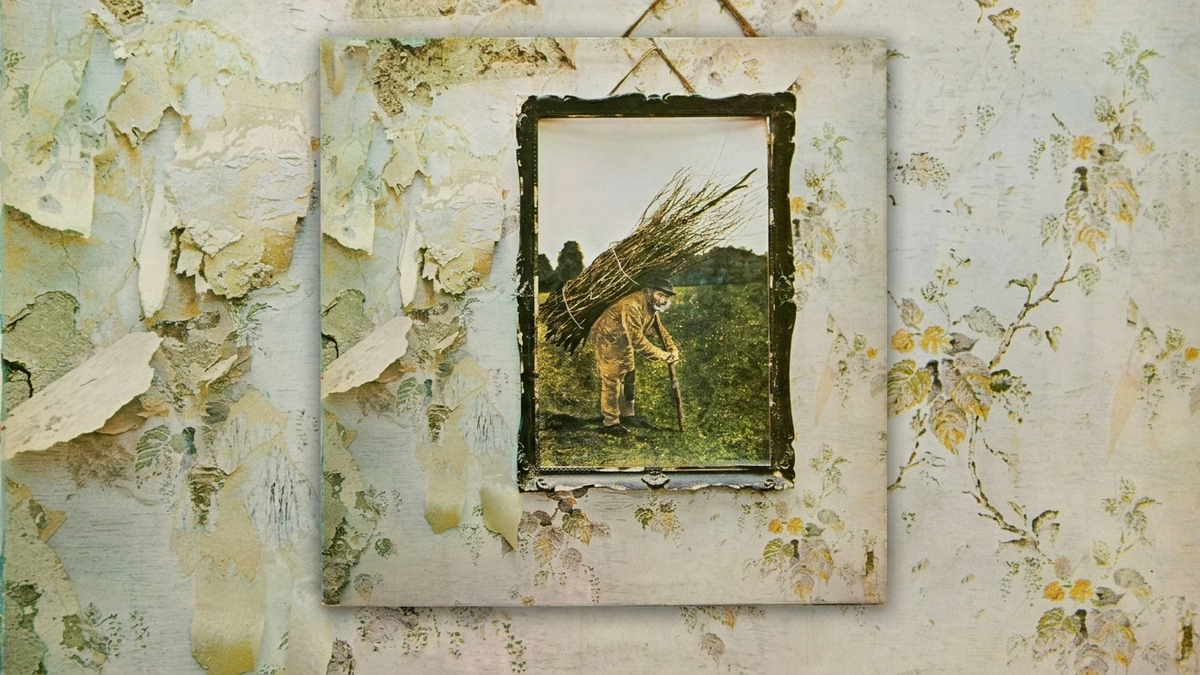
Even the album cover stood out on its own. Instead of displaying the band name or album title on the original cover, the group opted for a mysterious image of an old man carrying a bundle of firewood, accompanied by four individual symbols representing its members.
More than five decades after its launch, Led Zeppelin IV It remains one of the great works of rock history, thanks to its combination of memorable compositions, technical virtuosity and a bold exploration of different musical styles.
