
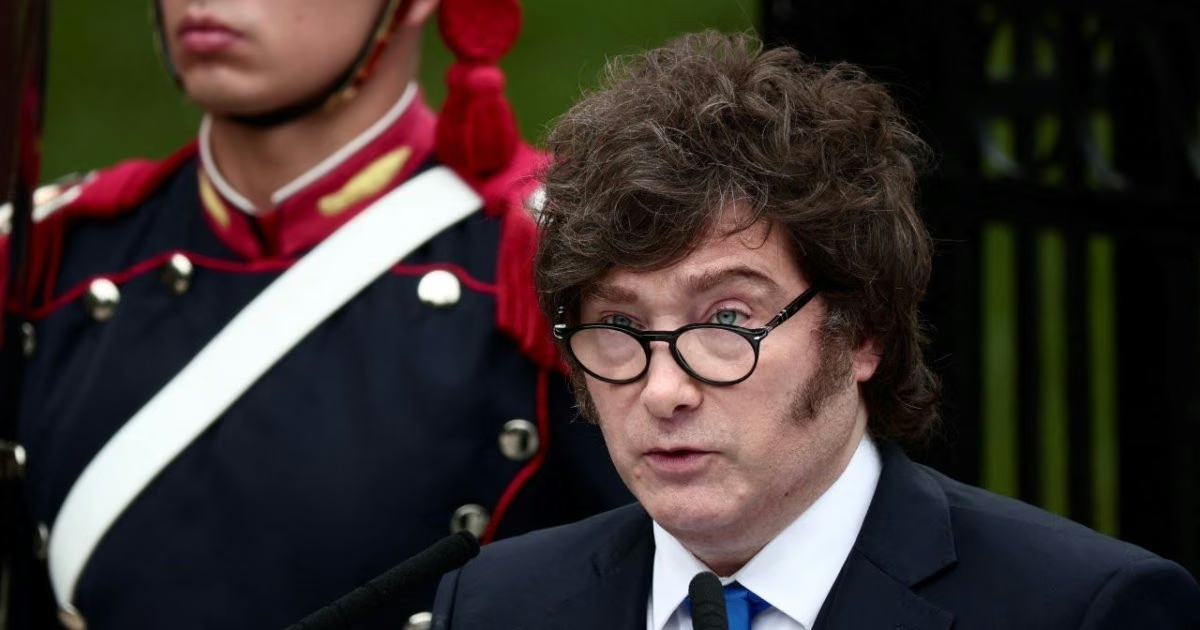
BRASILIA.- The chancellery of Brazil This Tuesday he accused the Argentine president, Javier Milei, of “attempted interference” in Sunday’s presidential runoff. This after the president said that his counterpart Lula could “steal the election.”
This Tuesday, Milei once again attacked President Luiz Inácio Lula da Silva, who aspires to re-election, in the second round in which he will face the right-wing senator Flávio Bolsonaro. “I hope his latest dirty campaign trick doesn’t include stealing the election… you lefty thief“Milei wrote in X.
Lula, who is seeking his fourth non-consecutive term, was imprisoned for corruption before his conviction was annulled due to procedural defects.
Brasilia rejected the “offenses” of the Argentine president. He stated that “they constitute a new and unacceptable attempt at external interference in the Brazilian democratic process.”
The Foreign Ministry also stated that Milei’s post was “unacceptable, unbalanced and does not coincide with the position that the head of state of a friendly country should adopt.”
In July, the bilateral relationship was strained when Javier Milei called the leftist president Luiz Inácio Lula da Silva a “thief” and “prisoner”, during the launch of Flávio Bolsonaro’s presidential candidacy.
After this, the Brazilian Foreign Ministry had lowered diplomatic relations with Argentina by withdrawing its ambassador in Buenos Aires.
Decisive elections
In the first round, on October 4, the eldest son of former far-right president Jair Bolsonaro (2019-2022) surprised Lula by 47% to 45% of the votes.
The election this Sunday, October 25, is decisive not only for this immense country of 214 million inhabitants, but for the entire region. After Argentina, Chile or Colombia, will Brazil also ride the right-wing wave that Donald Trump encourages in Latin America?
The American president has remained discreet until now, but the United States was still at the center of the debate in the campaign.
Lula’s sector accused the technology giant Meta of electoral “interference” and denounced restrictions on the dissemination of its content on WhatsApp and Instagram. The American company admitted “technical problems” but denied any bias.
