
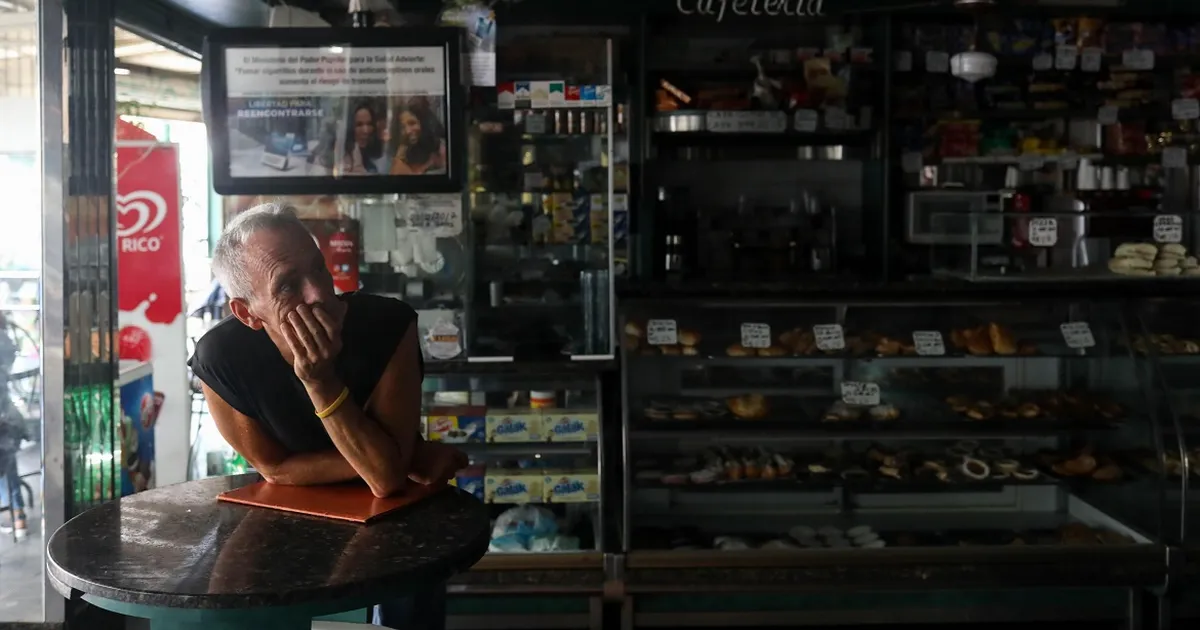
CARACAS_ The crisis of the Venezuelan electrical system once again leaves the country subject to prolonged electricity cuts, while a video broadcast on social networks points to Chavismo as responsible for the deterioration of the infrastructure and denounces million-dollar overcharges in projects carried out during the mandates of Hugo Chávez and the now deposed dictator, Nicolás Maduro.
Venezuela is once again going through a severe electricity crisis, marked by prolonged blackouts and rationing that especially affect the interior regions of the country. In this context, a video broadcast on social networks questions the management of resources allocated to the electricity sector during recent decades and attributes the collapse of the system to corruption, lack of maintenance and works that were left unfinished.
The material maintains that between 1999 and 2016, some $23 billion were “lost” in overpricing and corruption linked to electricity projects and points to several officials and businessmen related to the Chavista administration.
Although some of the figures and accusations broadcast in the video correspond to investigations and complaints previously made by organizations such as Transparencia Venezuela, other statements should be considered accusations and not judicial convictions.
Tocoma, one of the emblematic projects
Among the cases mentioned is the Manuel Piar hydroelectric project, known as Tocoma, located on the Caroní River, in the state of Bolívar.
The video points out former Minister of Electric Energy Jesse Chacón and maintains that the project involved more than 10 billion dollars and was left unfinished.
Transparency Venezuela documented that between 2000 and 2014 the Venezuelan State contracted more than 40 electricity projects for about 37 billion dollars, with an estimated premium of more than 23 billion dollars. The organization also pointed out that at least 17 of the works were not completed, including Tocoma.
The project was designed to contribute some 2,160 megawatts to the National Electric System, but it never reached the capacity for which it was designed. Transparency Venezuela pointed out the lack of completion of the works and the absence of maintenance as part of the factors that prevented the electrical emergency from being resolved.
The Derwick Contracts
The audiovisual also mentions Derwick Associatesa company that received important contracts during the Hugo Chávez government for electricity generation projects.
Complaints about alleged overpricing in Derwick contracts were the subject of journalistic investigations for years. A report from Weekbased on estimates by Venezuelan expert José Aguilar, pointed out that the electrical projects analyzed accumulated overcharges that could exceed 23,000 million dollars and that, in the case of Tocoma, cost overruns of billions were estimated.
Motta Domínguez and the management of the electrical sector
Another of the officials highlighted in the video is Luis Motta Domínguez, who held the Ministry of Electric Energy and was in charge of Corpoelec.
The material attributes responsibility for an alleged embezzlement of $29 billion and mentions a reward of five million dollars. These statements must be attributed to the content disseminated and not presented as judicially established facts.
Motta Domínguez was sanctioned by the United States during the Donald Trump administration. His management was marked by a succession of blackouts and generation, transmission and distribution problems that worsened in the country.
Rafael Ramírez and oil resources
The complaint also targets Rafael Ramírez, who for years was one of the most powerful figures of Chavismo, directing Petróleos de Venezuela (PDVSA) and later holding the position of chancellor.
The material attributes more than $11 billion in resources related to the electricity sector and maintains that during that period there was systemic corruption accompanied by a severe lack of maintenance.
Allegations about corruption and irregular management of resources during the PDVSA administration have been the subject of national and international investigations. However, the specific figures mentioned in the video must be attributed to their authors as long as there is no public documentation that allows them to be established as proven facts.
Millions of resources and an increasingly deteriorated system
The complaints become relevant given the current situation of the National Electrical System. Despite the billions of dollars allocated during the Chavista mandates to generation, transmission and distribution, Venezuela continues to face recurring failures.
In May 2026, press reports indicated that Corpoelec was rationing up to 1,800 megawatts during peak demand hoursan amount equivalent to the combined consumption of Caracas, La Guaira and the Altos Mirandinos. While the capital suffered more sporadic outages, residents of other regions reported interruptions of between four and ten hours a day.
The deterioration has also been attributed by experts and independent organizations to lack of maintenance, disinvestment, loss of specialized personnel and unfinished execution of projects.
A report from Transparency Venezuela precisely pointed out the Major corruption, lack of maintenance and poor management as structural factors of the Venezuelan electricity crisis.
“Climatic factors”
Faced with the blackouts recorded during 2026, official organizations warned about the incidence of El Niño phenomenon and its possible effects on precipitation and hydrographic basins used for hydroelectric generation. A report from the National Climate Crisis Observatory indicated that El Niño could generate a moderate reduction in precipitation during 2026.
However, organizations such as Provea question the lack of official information on rationing and demand that the Chavista regime publish a detailed schedule of the cuts.
The discussion on the causes of the crisis thus once again confronts two explanations: while the authorities now attribute part of the difficulties to climatic factors and increased demand, experts and independent organizations point to structural problems accumulated over years, including lack of investment, maintenance, unfinished works and allegations of corruption.
