
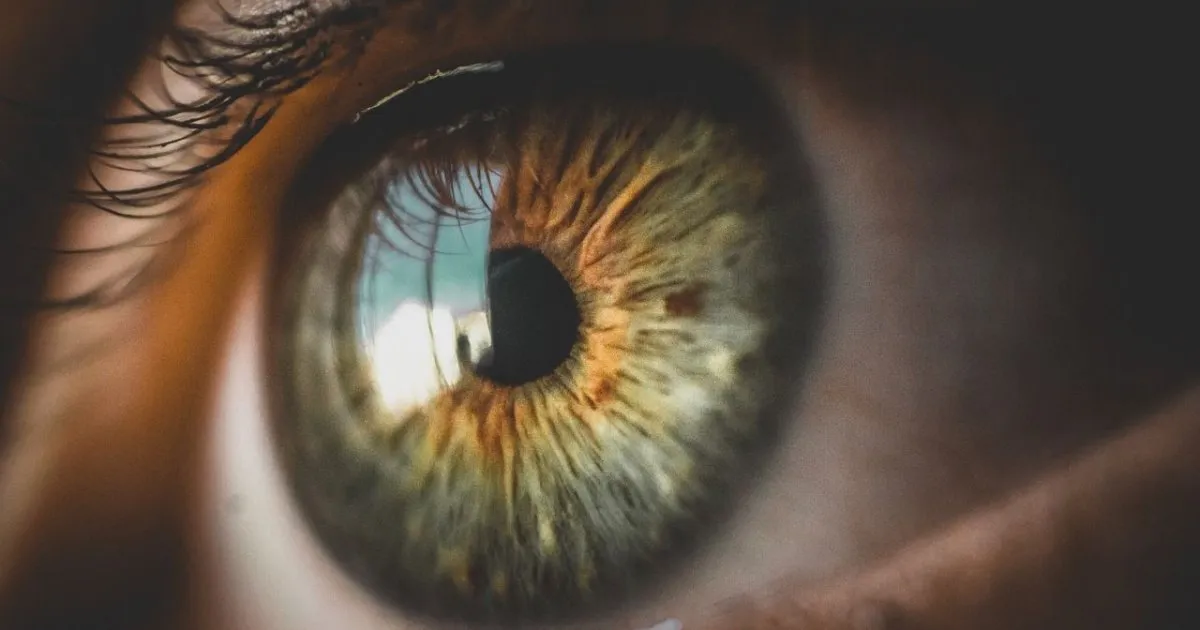
The ophthalmologist at the Hospiten Roca Ophthalmology Center in Gran Canaria, Dr. Carlos de Astica, recalled that the heat and environmental changes typical of summer “accelerate the evaporation of the tear film”, which “aggravates dry eyes and triggers lesions on the ocular surface.”
“By losing this hydration, the eye is left without its main defense barrier, which increases dryness and increases the risk of damage to superficial tissues,” he indicated in relation to this pathology, which “directly compromises the structural health of the surface of the eye.”
In this sense, and after highlighting that the haze “drastically worsens” this situation, since the dust particles “act like a microabrasive”, he referred to other risk factors that impact visual health. Thus, it has been stated that the continued use of air conditioning strongly dries out the indoor environment, while the increase in hours of prolonged exposure to ultraviolet radiation, wind, sand, chlorine and saltpeter is also harmful.
De Astica, who has stated that travel and excessive use of contact lenses also play a role, has indicated that “all of this contributes to the cornea and conjunctiva being constantly exposed to irritating factors.” In fact, he has pointed out that one of the direct consequences of poorly controlled dry eye syndrome is the appearance of microlesions in the cornea (keratitis) and chronic inflammation of the ocular surface.
“If the tear is unstable, the epithelial cells of the eye suffer stress due to desiccation,” he stated, after which he declared that this “triggers a cellular inflammatory response that not only generates continuous discomfort, but can permanently alter visual quality if it is not stopped in time.”
Symptoms of damage to the ocular surface
Among the common symptoms of damage to the ocular surface is the sensation of grit, friction or a foreign body; constant itching, burning or stinging; eyes intensely red; strong sensitivity to light; very early visual fatigue and fluctuating or blurred vision that improves after several blinks. Given this, it is recommended to protect the ocular surface with approved sunglasses with a wrap-around design.
Along with the above, it advocates avoiding direct exposure to flows from fans or air conditioners; limit the use of contact lenses, always avoiding their use in swimming pools or in the sea; apply preservative-free artificial tears frequently and reduce outdoor activities during intense haze episodes.
Finally, this specialist has stressed “the absolute need to not trivialize these symptoms” and has stated that “a serious mistake is to use whitening eye drops, with corticosteroids or antibiotics for a red eye whose cause is unknown.” “Inadequate treatment can mask a serious eye problem or can even cause intraocular hypertension,” he warned, which is why he advised going to the ophthalmologist in case of persistent discomfort.
