
Two of this summer’s largest foodborne illness outbreaks have something in common: In both cases, the origin has been determined to be agricultural products imported from Mexico.
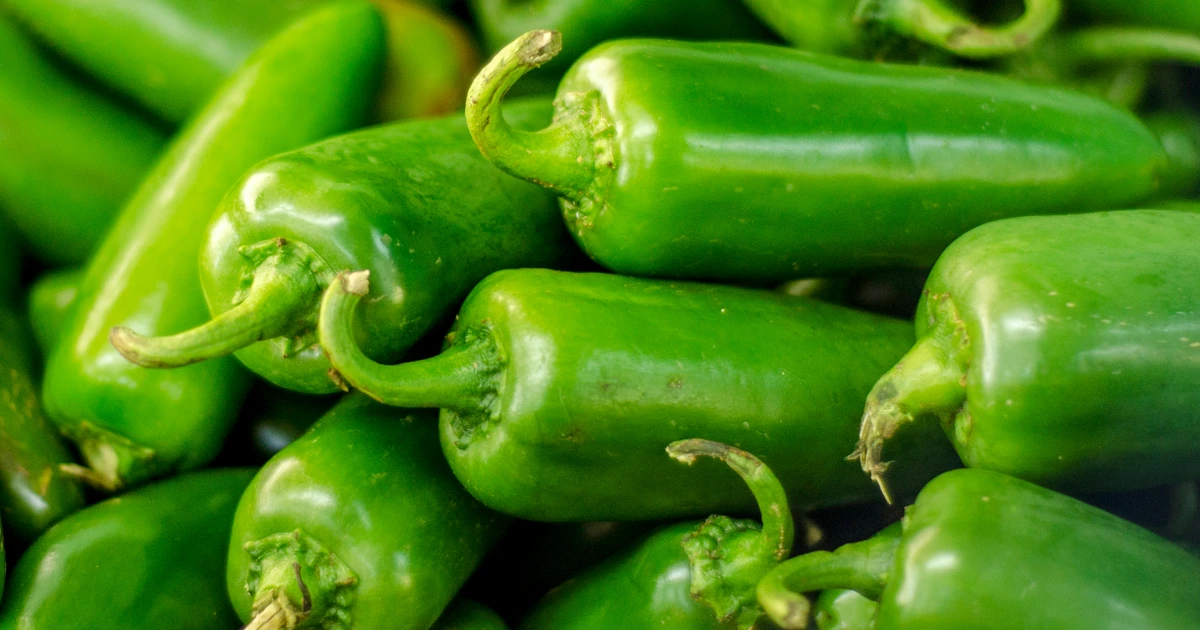
The massive outbreak of cyclosporiasis in Michigan and more than a dozen other states eventually led researchers to Taylor Farms iceberg lettuce, served in Taco Bell restaurants and imported from central Mexico. Jalapenos recalled from Chipotle, Qdoba and other restaurants for salmonella contamination were imported from Sinaloa, Mexico, by Coast Citrus Distributors, federal health officials said.
These two outbreaks have raised concerns about food safety and water supplies in Mexico, as well as whether the Food and Drug Administration (FDA) is up to the task of inspecting imports. Mexico’s Health Ministry reported Wednesday that the country is testing food and water at 16 hotels at a resort in Quintana Roo, after British health authorities reported cases of cyclosporiasis in travelers who had stayed there. Tests have not yet confirmed the presence of cyclospora in the samples.
In July, Mexico’s health minister rejected suggestions that lettuce grown in central Mexico was responsible for the lettuce-related cyclospora outbreak, despite the FDA’s conclusion linking it to Mexico’s Taylor Farms.
However, these connections have raised an obvious question for consumers: do foods imported from Mexico pose a significant risk?
The cyclosporiasis outbreak has sickened tens of thousands of people, and the salmonellosis outbreak has sickened hundreds. In Michigan, two deaths have been linked to cyclosporiasis.
Donald Schaffner, chair of the department of food sciences at Rutgers University, said outbreaks in the United States likely come down to numbers, since Mexico is the largest foreign supplier of fresh produce to the United States.
“I don’t think we can make a blanket, definitive statement that all Mexican agricultural products are riskier than all domestic ones,” Schaffner said. “I would say that we have to resist the temptation to overinterpret the fact that we have two prominent outbreaks linked to Mexican agricultural products.”
A June report from the U.S. Department of Agriculture revealed that Mexico supplied about a third of U.S. fruit and vegetable imports between 2021 and 2025. In 2023 alone, Mexico supplied 63% of vegetable imports of the United States and 47% of fruit and nut imports. However, most lettuce in the United States is grown domestically; Only 8 of the lettuce is imported, mainly from Mexico.
(FDA approves Moderna’s first mRNA-based flu vaccine)
The FDA is responsible for overseeing fresh produce, whether produced in the United States or imported. But the agency inspects facilities, including domestic ones, once every five to seven years, said Barbara Kowalcyk, director of the Institute for Food Safety and Nutrition Security at George Washington University.
Only 2% of all imported fresh produce is inspected, he noted. “That is not analyzed. It is only inspected.” Food analysis, which is a destructive process, is carried out on only a small part of the products.
Marion Nestle, professor emeritus of Nutrition, Food Studies and Public Health at New York University, said one factor could be the water supply in Mexico.
According to Nestle, some regions of Mexico have long faced contaminated water problems due to aging infrastructure, untreated sewage and other types of pollution. If that water is used to irrigate crops, it can contaminate fresh produce with pathogens such as salmonella and E. coli. Cyclospora represents a special challenge because it is resistant to chlorine treatments that are commonly used to disinfect water.
Some foods may also present a higher risk than others. A 2018 report from the FDA looked at food contamination by salmonella and E. coli and found that imported hot peppers – jalapeño, serrano and habanero – from Mexico and the Dominican Republic were more likely to test positive for salmonella than domestically grown peppers.
However, the FDA has also tested samples of raw, fresh, whole cucumbers and found that both domestic and imported cucumbers were linked to multiple salmonella outbreaks.
Kowalcyk is not surprised that the contaminated products have been traced to farms abroad, but he would not “make Mexico the villain” of this story.
“There are many other countries facing food security issues, especially when it comes to water,” he said.
Part of the responsibility also falls on the FDA. During peak cyclosporiasis season, for example, the agency is supposed to step up inspections and lab testing of high-risk agricultural products entering the country, Nestle said.
It is not clear how many of those inspectionsand are carrying outhe added, after the Trump Administration last year implemented massive staff cuts across several federal agencies, including the FDA’s inspection and surveillance programs.
The FDA did not respond to a request for comment.
“You need people who have been involved in this type of thing, who know how to do it, who know what to look for,” Nestle said. “The FDA is responsible for ensuring the safety of foods under its jurisdiction, and that includes fruits and vegetables.”
Kowalcyk noted that the FDA not doing enough to protect imported agricultural products.
“The FDA does not have the resources to visit these establishments and verify that their food safety systems are working,” he said.
Byron Chaves, a food safety expert at Rutgers University, said climate change could make food-borne outbreaks more common.
Mexico and other countries could be especially at risk due to severe droughts, extreme weather events and rising water temperatures, which accelerate the growth of dangerous pathogens.
“Rising water temperatures mean that microbes we didn’t see before in the United States can become a little more frequent”, he indicated.
