
NBC4 New York
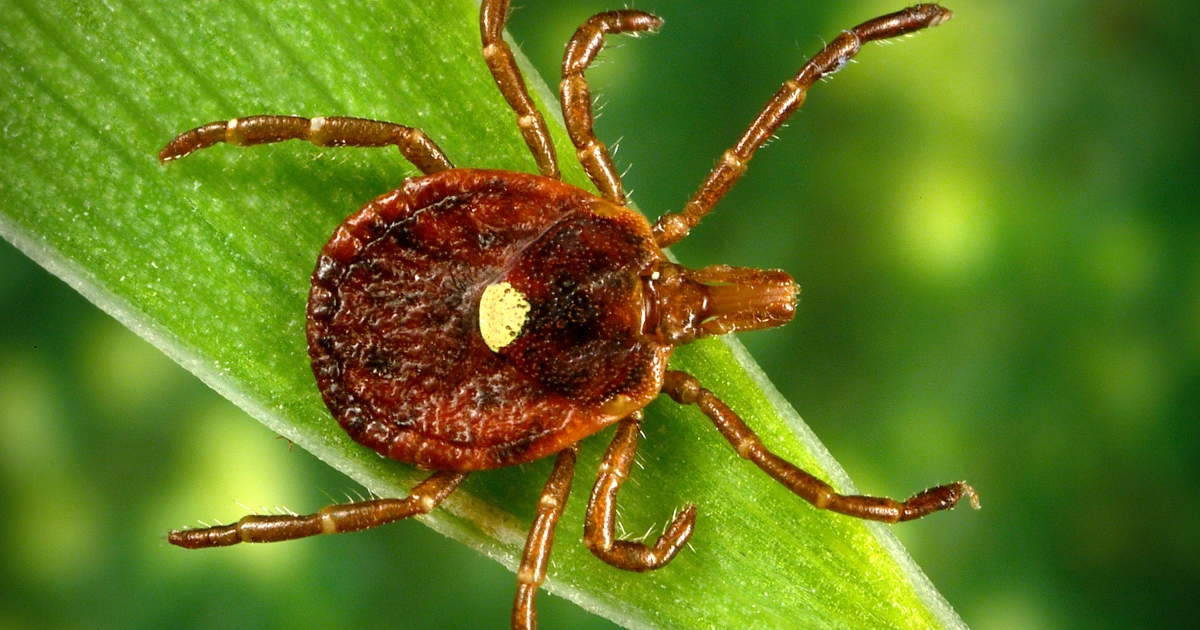
Health authorities in New York are warning residents of the state about a new disease on the prowl, after three positive cases on Long Island of the so-called hare fever, transmitted by ticks.
The alert was issued in the same summer that New York has dealt with cases of Legionnaires’ disease, in addition to cyclosporiasis warnings across the United States.
So far three people in Suffolk County have confirmed cases of the hare feverformally called tularemia. The disease causes a dangerous rise in body temperature and extreme fatigue.
Doctors indicate that the symptoms may be more severe than those of other tick-borne diseases, such as Lyme. (In June, a rare type of Lyme was also detected in New York for the first time.)
John Detmer, just 9 years old, was diagnosed earlier this year after a tick bite that his family says caused severe symptoms for several weeks.
“It hurt a lot, especially my neck. Sometimes my legs too,” the boy said. “And when I touched the site” of the bite “it hurt so much.”
(New York joins the states that allow medical aid in dying)
Tracey Detmer, John’s mother, said the family initially didn’t think the symptoms could be related to the small bite on the boy’s scalp, because tularemia is little known.
Detmer said that the doctor who detected the case in his son, despite being a specialist in infectious diseases, told him that he had only seen one other case of tularemia in his entire career.
What can cause ‘hare fever’?
Tularemia is spread by a bacteria for which ticks are vectors in cases where they had bitten a sick rabbit or hare and then the ticks passed the disease to humans, according to Suffolk health authorities.
Another possible way to get tularemia is if there is direct skin contact with animals infected with the bacteria, according to the Centers for Disease Control and Prevention (CDC).
Sharon Nachman, a doctor at Stony Brook Children’s Hospital, said the symptoms often require emergency medical care.
He also advised that people not approach rabbits or hares that look injured or dying.
Although John Detmer said he was never close to any of those animals and that the bite would have been when he was playing in the backyard of his house.
The boy’s mother said she thinks it’s important for people to be monitoring more for possible bites.
“It’s rarer for someone to get close to a rabbit to begin with, so it’s much better to be checking for ticks and bites,” Detmer said.
(Infections due to antibiotic-resistant bacteria increase in the US)
John Detmer’s symptoms stopped after receiving antibiotics and his family says he is already feeling better.
Health authorities indicate that since tularemia is rare, it is important that people know what they are facing, and know how to monitor possible symptoms, especially if they notice a possible bite and the bite site becomes a slightly larger wound. In that case it is very important to seek medical attention, they said.
