
MUMBAI.- Like the dazzling choreographies, elephants are an inseparable element in Indian cinema shoots, although perhaps not for long, since several stars advocate replacing them with robots or images generated with artificial intelligence (AI).
These directors, producers and actors joined a campaign by the animal rights group PETA to ban the presence of pachyderms on sets.
“Elephants should not suffer in the name of our entertainment,” defended actor and producer John Abraham. “Technology now allows elephants to come to life on screen (…) without locking them up or treating them cruelly.”
The World Wildlife Fund (WWF) estimates that there are about 50,000 free-ranging Asian elephants worldwide, most of them in India.
Furthermore, according to the Indian Ministry of Environment, another 2,600 live there in captivity to meet the needs of tourism, temples and also cinema.
PETA regrets that these captive animals are “separated from their families, chained almost permanently and controlled with weapons.”
Under Indian law, participation of an elephant in a film shoot is subject to approval by the Animal Welfare Bureau (IAWB).
Substitutes
In 2021, the government also “recommended” that they be replaced by robots or special effects “to limit animal suffering.”
“Elephants are intelligent animals, endowed with emotions, whose mental and physical well-being requires that they live in the jungle,” their defenders insist. “On the contrary, those who appear in films, shows and advertising suffer loneliness and cruelty,” they add.
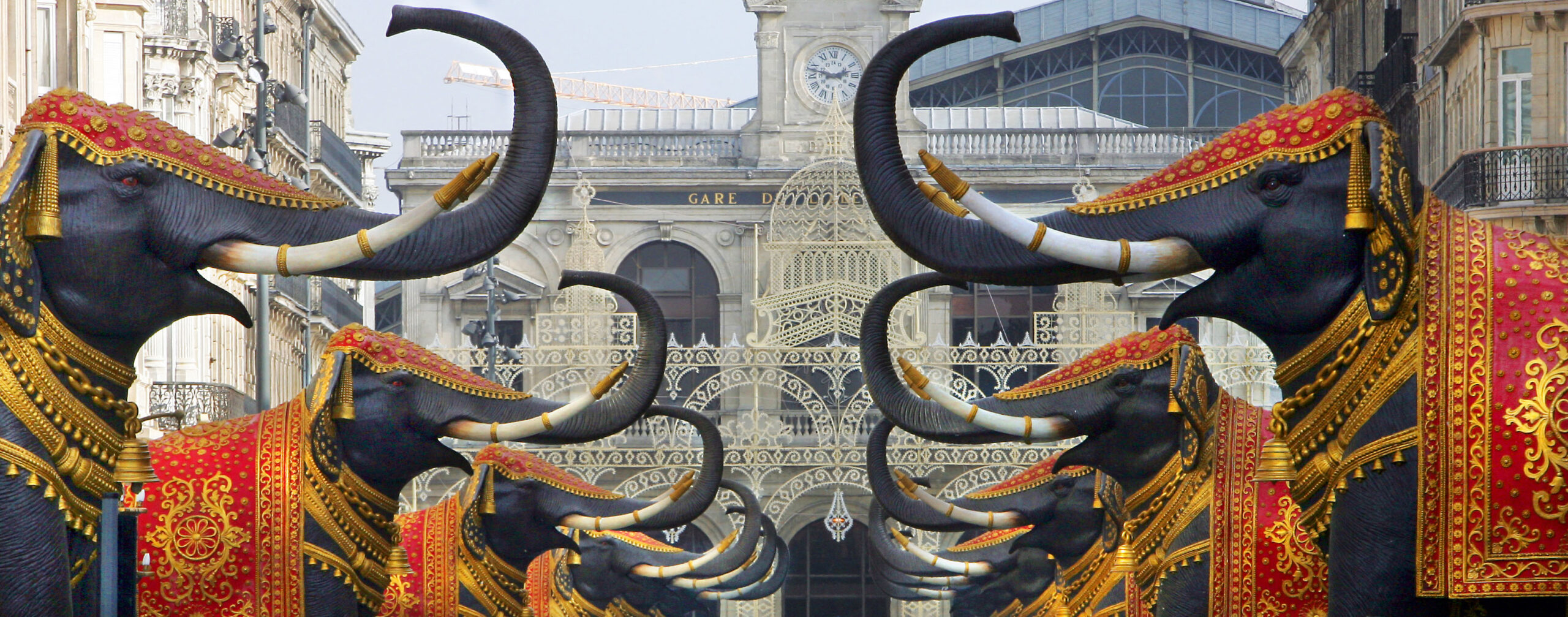
The association financed the purchase of 25 life-size mechanical robots to replace them in ceremonies organized in Hindu temples.
The elephant-headed god Ganesh is one of the most revered by his devotees.
PETA is now promoting the use of AI and computer-generated images, as was done in the film “Tanhaji” in 2020.
“Good cinema requires empathy,” summed up actress Pooja Bhatt. “You can tell great stories on screen without exploiting animals.”
