
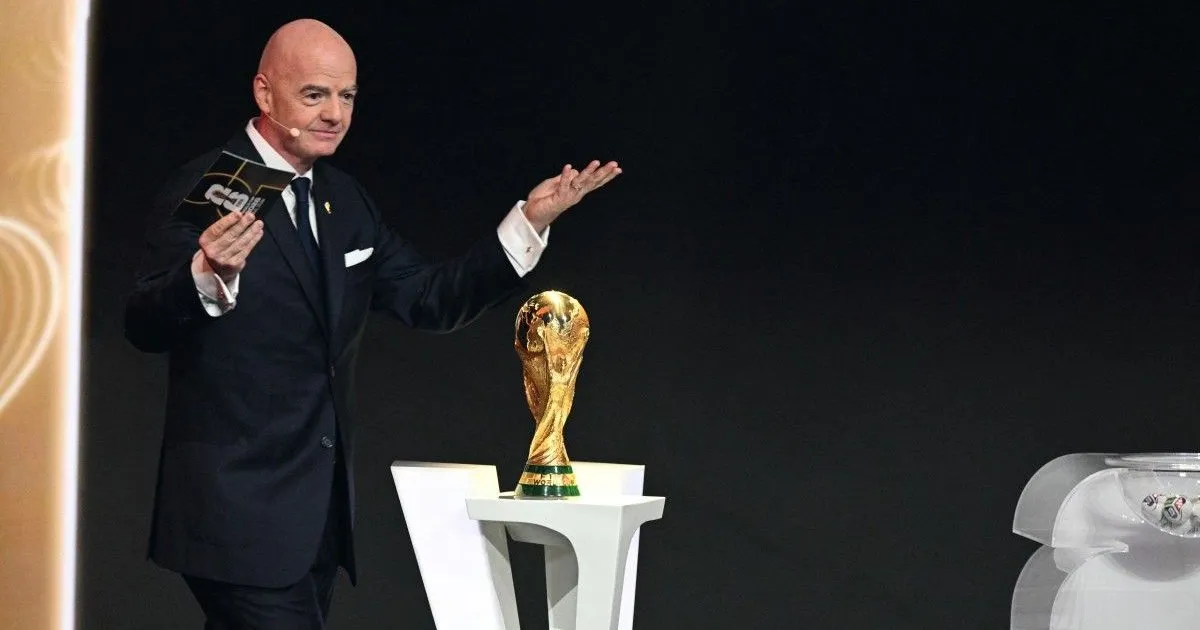
The president of FIFA, Gianni Infantino, came out against strong criticism for the high cost of tickets for the 2026 FIFA World Cup and assured that the prices respond to the reality of the entertainment market in the United States.
During his participation at the Milken Institute Global Conference in Beverly Hills, the leader defended both the official values and the prices achieved in resale, which have generated indignation among groups of European fans.
The Football Supporters Europe (FSE) organization even filed a complaint with the European Commission, considering that FIFA’s pricing policy is “extortionate” and a “monumental betrayal” for fans.
The controversy intensified after tickets for the final appeared on the official FIFA Marketplace platform with prices exceeding two million dollars per package of four tickets.
“Just because someone publishes tickets for two million dollars does not mean that that is the real price or that someone is going to buy them,” Infantino said. “And if someone does, I will personally bring them a hot dog and a Coke to make sure they have a great experience.”
Infantino insisted that the World Cup will be held in “the most developed entertainment market in the world,” so FIFA considers it logical to adapt its prices to that economic reality.
“We have to look at the market. We are in the United States and we must apply market rates,” he explained.
The leader also argued that US laws allow the resale of tickets and that selling tickets that are too cheap would only fuel even greater speculation.
In addition, he recalled that the demand for the 2026 tournament has been historic, with more than 500 million ticket requests, a figure much higher than those registered for the 2018 Russia and Qatar 2022 World Cups combined.
Infantino highlighted that about 25% of the tickets for the group stage were priced below $300 and compared those values with other American sporting events.
“You can’t go see a university game in the United States, much less a major professional event, for less than $300,” he said. “And this is a World Cup.”
