
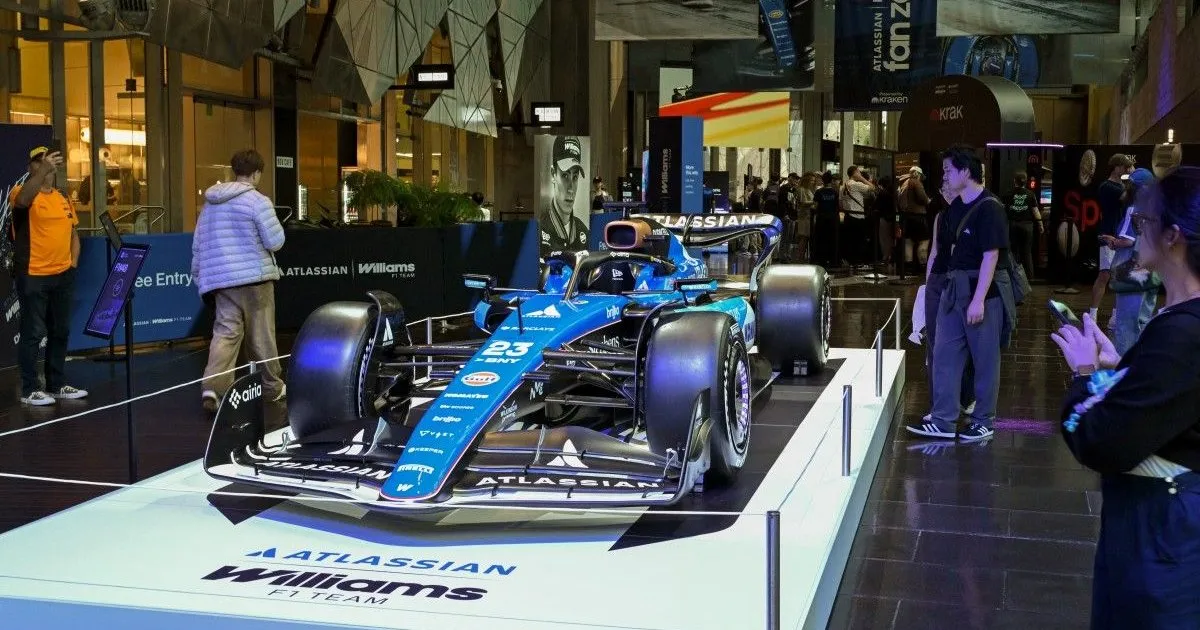
The 2026 season of the Formula 1 It will be one of the most transformative of the modern era. The FIA will implement completely renewed regulations on chassis, aerodynamics and power units, with the aim of improving overtaking and reinforcing environmental sustainability.
However, not all pilots are convinced. Max Verstappen, four-time world champion, stated that the new cars “are not fun to drive.” For his part, current champion Lando Norris pointed out that, although they initially seemed interesting, “they are not the purest form of competition.”
But what really changes compared to 2025? Here we explain it to you point by point.
Smaller and lighter single-seaters
The cars of 2026 will be:
30kg lighter
20cm shorter
10cm narrower
This should translate into greater agility in corners and better handling on twisty circuits.
One of the most striking designs will be that of the Aston Martin F1 Team, with an innovative “pelican nose” driven by the technical concept of Adrian Newey.
Tires: less aerodynamic resistance
The 18-inch wheels introduced in 2022 by Pirelli remain, but:
The front tires will be 25 mm narrower
The rear ones will be reduced by 30 mm
This will reduce air resistance and favor higher top speeds.
Active aerodynamics and goodbye to DRS
One of the most important changes is the elimination of DRS. In their place, new systems arrive:
Z Mode
Increases downforce to improve cornering speed.
X Mode
Reduces resistance to maximize straight line speed.
forward button
Available when the driver is less than a second from the car in front, it will allow additional electrical energy to be released.
This system could generate more strategic duels, although it also carries risks: whoever uses extra energy could be left vulnerable in the next straight while recovering it.
Power units: 300% more electrical power
Hybrid engines will undergo a profound transformation:
Increase close to 300% in electrical power
Balanced distribution between thermal and electric motor
Three times more regenerative braking power
Additionally, the FIA plans to close a possible technical loophole related to thermal expansion that some manufacturers believe the Mercedes-AMG Petronas Formula One Team would have exploited.
If an initial advantage is confirmed, it would also benefit client teams such as Alpine F1 Team, Williams Racing or even McLaren.
100% sustainable fuel
All cars will use completely sustainable fuel:
No new fossil carbon
Produced from waste
Carbon captured from the atmosphere
Non-food sources
This change positions F1 as one of the leading sports in environmental innovation within motorsport.
Will 2026 be more exciting?
The intention of the FIA is clear:
More overtaking
More energy strategy
Less environmental impact
Most unpredictable races
However, the opinion of drivers like Verstappen and Norris opens the debate: does more technology mean a better show?
The truth is that 2026 will mark a before and after in the modern history of Formula 1.
