
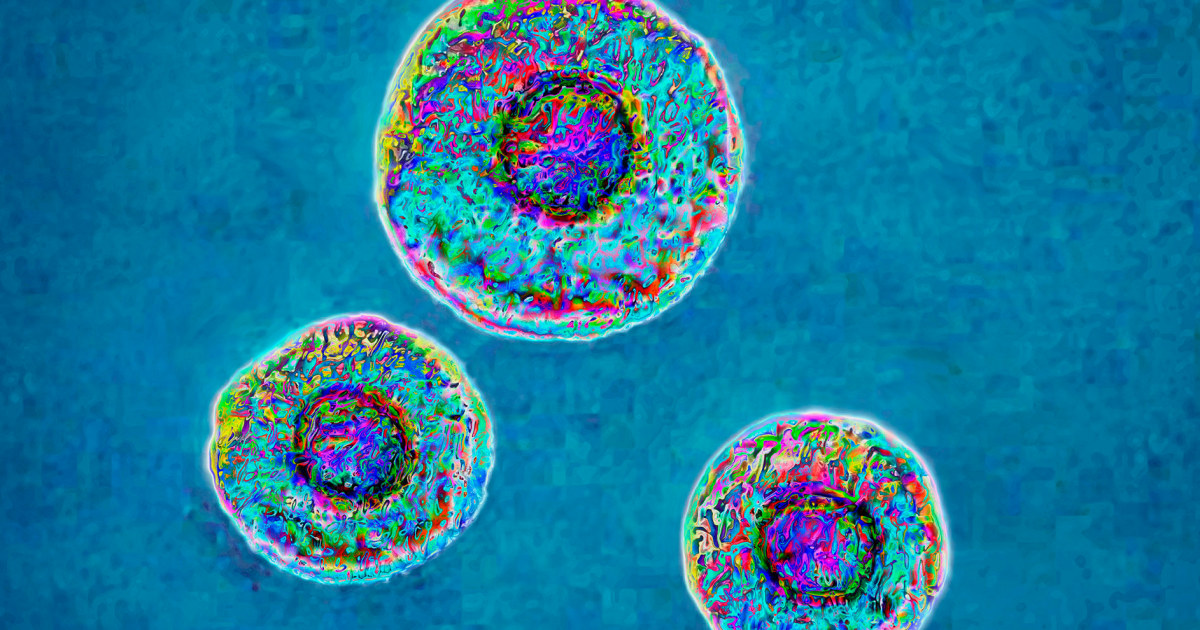
Highly resistant antibiotic bacteria infections, known as NDM-CRE, shot in the United States, warned the centers for disease control and prevention (CDC) this week.
The federal agency stressed that these bacteria are a group of intestinal germs that have developed resistance to some of the most powerful antibiotics due to NDM production, which makes them extremely difficult to treat and potentially mortal.
“This abrupt increase in NDM-CRE means that we face a growing threat that limits our ability to treat some of the most serious bacterial infections,” Danielle Rankinla said in a statement, epidemiologist of the Division for the Promotion of the Quality of CDC care.
NDM-CRE conditions include pneumonia, infections in the bloodstream, urinary and wound.
Its detection is a challenge, since many clinical laboratories lack the ability to identify these bacteria quickly, something that can delay treatment and increase the risk of propagation within hospitals and towards the community.
“Selecting the correct treatment has never been more complicated, so it is vital that health professionals have access to tests that help them choose appropriate directed therapies,” Rankin said.
The CDC pointed out that the propagation of NDM-CRE could be linked to failures in infections control, such as insufficient hand hygiene or inappropriate cleaning, as well as limited tests, which hinder early detection.
In 2020, the infections by CRE, the group to which NDM-CRE belongs, were around 12,700 cases and caused 1,100 deaths in the United States, verifies a special report of the CDCs on the impact of the COVID-19 on the antimicrobial resistance.
A study published by the scientific journal Annals of Internal Medicine revealed that between 2019 and 2023 infections for NDM-Cre increased more than 460 % in the country.
The NDM-CRE are bacteria of the enterobacteral group (such as E. coli or Klebsiella) that have become resistant to carbapenemic antibiotics, considered last resort, thanks to the NDM enzyme (New Delhi Metal-Beta-Lactamase) that allows them to inactivate numerous antibiotics and converts them into a serious threat to public health.
CDC recommended to health professionals perform immediate tests to identify the type of present carbapenema, the enzyme that allows these bacteria to destroy carbapenemic antibiotics; In addition to selecting antibiotics carefully according to the resistance mechanism and strengthening prevention measures.
