
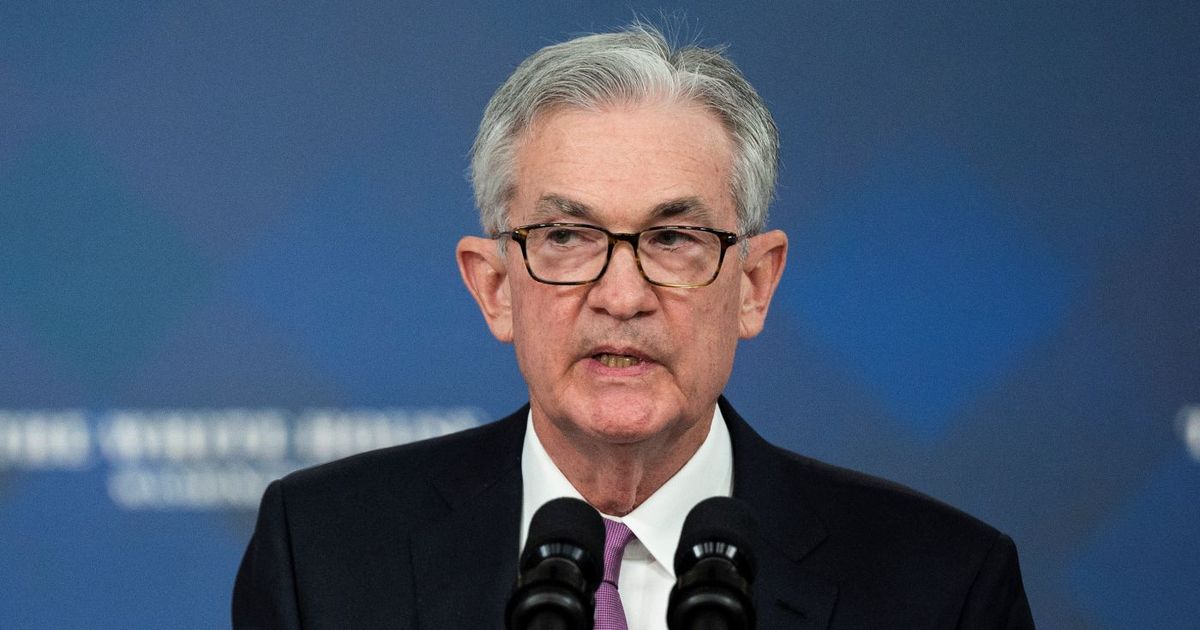
The United States Federal Reserve reduced its reference interest rates on Wednesday for the first time this year, in a quarterfinal (0.25%) as expected by the market, due to a weaker labor market.
The FED reduced the reference interest rate to 4-4.25% and foresees two additional cuts this year.
Only the new governor of the Fed, Stephen Miran, whose appointment was promoted by President Donald Trump – critical of the Fed – voted against this decision and sought a higher rate reduction.
The monetary committee of the Central Bank was also more optimistic about the growth of the US economy, which foresees at 1.6% this year compared to the 1.4% that projected in June.
He made no changes in his unemployment and inflation expectations.
Fed brake on economic advance
The Fed decision took place after months of strong pressures from President Trump to reduce rates in a favorable economic context for that.
The Federal Open Market Committee (FOMC) of the Fed, made up of 12 members responsible for setting the fees, is the one that approves or not reductions or increases.
The work of the president of the Fed, Jerome Powell, has been criticized from his first term when the Covid-19 pandemic, when President Trump himself in his first period also had to place him to reduce the rates to zero.
After that, Powell protected during the government of Joe Biden that inflation was the worst in the last 50 years, after a year and three months without undertaking any action while prices fired month after month.
Now, the president of the Central Bank shows the same ineptitude letters, which is why Trump has asked for his resignation or expulsion, without any results so far. He has also requested the expulsion for corruption of the governor of the FOMC Lisa Cook, accused of mortgage fraud.
