
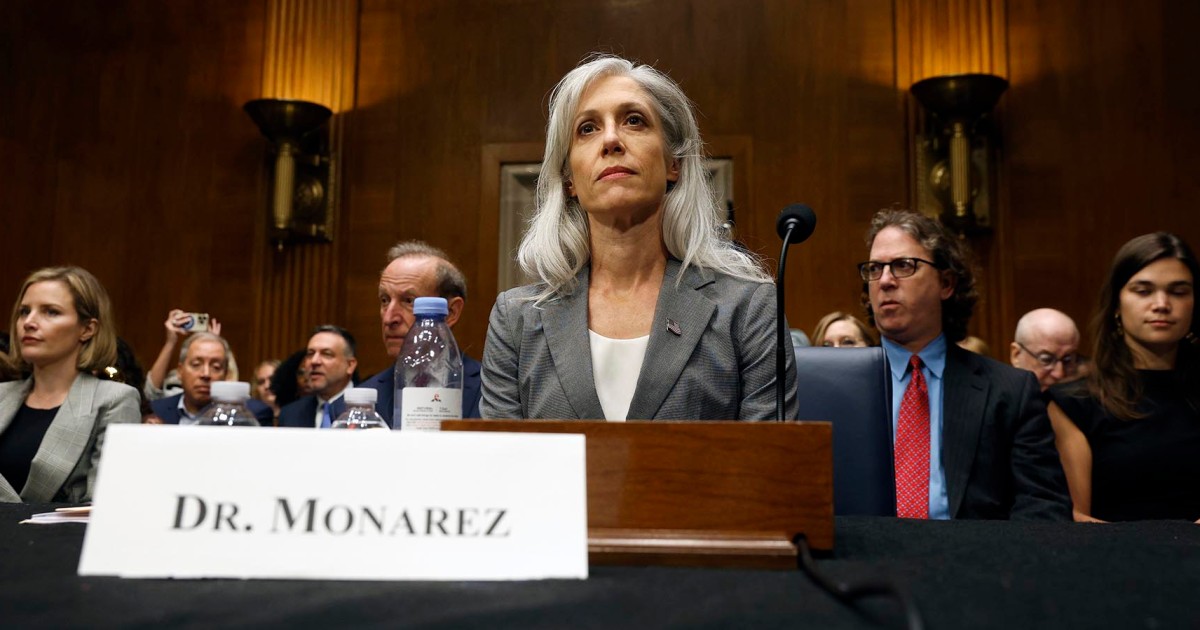
The United States Public Health System is heading towards a “very dangerous situation” under the command of the Secretary of Health, Robert F. Kennedy Jr., and his team of anti -vacuum advisors, warned on Wednesday the dismissed director of the Centers for Disease Control and Prevention (CDC), Susan Monarez, during an audience in the Senate.
When describing the extraordinary agitation that is lived in the country’s health agencies, Monarch and the former medical director of the CDC, Debra Houry, said they had conversations in which Kennedy or his political advisors turned their backs on data that support the safety and effectiveness of vaccines.
Monarch, who was fired after only 29 days in office after disagreements with Kennedy, assured the senators that mortal diseases such as polyomyelitis and whore cough, currently under control, can reappear in the United States.
“I think that preventable diseases will return and that our children will suffer damage for things that should not suffer,” said Monaz before the Senate Health Committee.
Monarch said that Kennedy ordered him to resign if he did not approve the new recommendations on vaccines, which are expected to be published at the end of this week by an advisory committee that Kennedy has filled with skeptical medical experts about vaccines.
The former official said that when she requested scientific data or evidence to support Kennedy’s request to change the children’s vaccination calendar, she offered him none.
He added that Kennedy told him that “he spoke with the president every day about the change of the child vaccination calendar.”
Republican senator Bill Cassidy, who presides over the powerful health committee, listened carefully while Monarch and Houry described the conversations with Kennedy and his advisors.
“To make it clear, he said there was no scientific exidencia or data, but still expected you to change the calendar (vaccination)?” Cassidy asked.
Cassidy carefully praised the president, Donald Trump, for his commitment to the promotion of health policies, but made it clear that he was concerned about the circumstances around the dismissal of monarch.
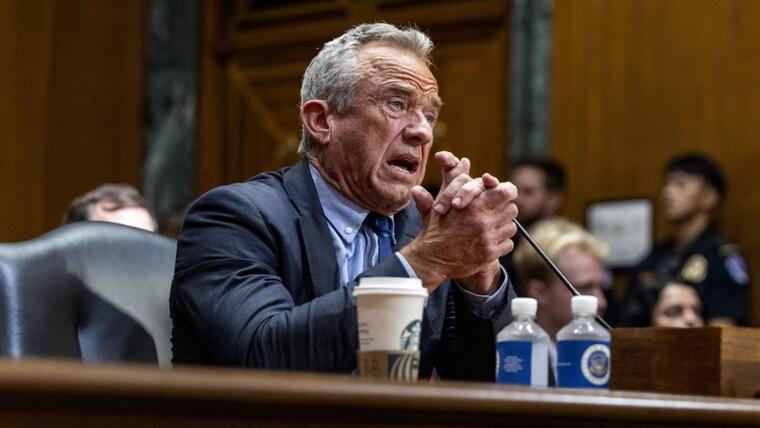
Houry, meanwhile, described similar exchanges with Kennedy’s political advisors, who assumed an unprecedented role in the preparation of materials for the meetings of the CDC vaccines advisory panel.
Before this week’s panel meeting, Houry offered to include data on the hepatitis B vaccine that is administered to newborns to prevent the propagation of the deadly disease. He said that a Kennedy advisor ruled out the data because they were considered biased, since they could support the maintenance of vaccines on the calendar.
“Are you suggesting that they wanted to eliminate the dose at birth, but they feared that their data indicated that they should keep it?” Cassidy asked.
During the Senate hearing, the Democrats, who strongly opposed the appointment of Monaz, also questioned Kennedy’s reasons to fire her, after she was approved for the position unanimously by the Republicans.
“Frankly, she defended the welfare of the American people and that is why it was fired,” said Senator Bernie Sanders, independent of Vermont.
(CDC employees must return to the office one month after the agency at the agency in Atlanta)
Monarch noted that his dismissal was due to his refusal to approve new vaccination recommendations without scientific evidence, as well as his reluctance to dismiss no just cause to senior officials of great experience of the CDC.
Kennedy has denied monarch accusations that he ordered that the new recommendations on vaccines be approved without more, but has recognized that he demanded the dismissals. He has described Monaz as someone who admitted that “it was not trustworthy”, an affirmation that she has denied through her lawyer.
Although the Republicans of the Senate have mostly shown themselves to challenge Trump or even Kennedy, many of them have expressed concern about the lack of vaccine availability against COVID-19 and the decisions of the health department to reduce some children’s vaccines.
Others have supported Kennedy’s distrust towards the country’s health agencies.
The Senator for Kansas Roger Marshall, who is a doctor, aggressively interrogated Monaz about his “philosophy” regarding vaccines, while she explained that her decisions were based on science. Alabama Tommy Tuberville senator added that Trump was chosen to make changes and suggested that Monaz’s work was to be Leal to Kennedy.

“The United States needs something better than this,” Tuberville said.
The Senate Hearing was held just one day before the vaccine committee began its two-day session in Atlanta to discuss vaccines against COVID-19, hepatitis B and chickenpox.
It is not clear how the Committee on the recommendations will vote, although its members have raised doubts about the need to manage vaccines against hepatitis B to newborns and have suggested that recommendations on COVID-19 should be more restrictive.
The CDC director must support those recommendations before officers are made. The Undersecretary of Health and Human Services, Jim O’Neill, who now serves as a functions of the CDC, will be responsible for it.
“I am very nervous about it,” said Monarch on the coming meeting.
